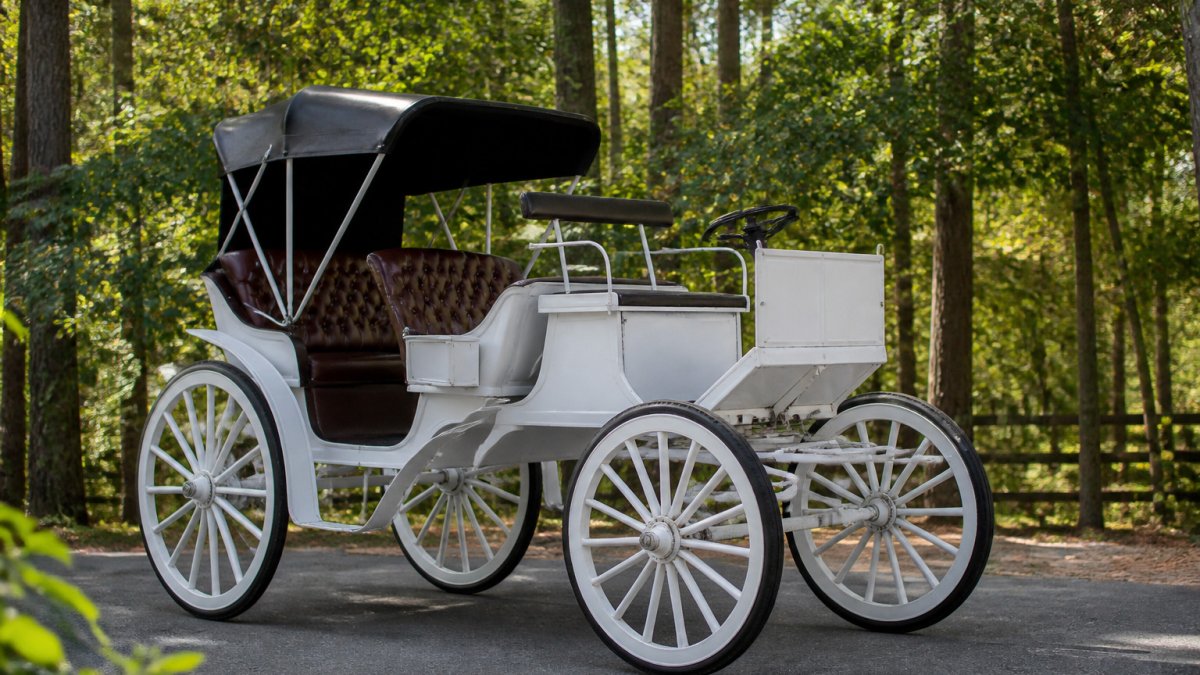
 Comparison
Electric vs Horse-Drawn Carriage: Pros and Cons Compared
Quick Summary
An electric carriage runs on a battery and electric drive, so it needs no animal, while a horse-drawn carriage depends on a live horse that must be fed, rested and cared for. The electric option avoids animal welfare concerns and steady scheduling, but its range is limited by battery charge. Horse-drawn rides offer a traditional experience but face weather limits.
- The core difference is the power source: a live horse versus a battery and electric drive.
- Horse-drawn carriages require feed, veterinary care, farrier visits and rest time.
- Electric carriages avoid animal welfare questions but depend on battery charge and range.
- Heat, humidity, rain and cold can cancel horse-drawn rides during extreme weather.
- Request quotes with the same itemized line items to compare total cost accurately.
Table of Contents
- Electric Carriage vs Horse-Drawn Carriage: The Core Differences
- Pros and Cons of Horse-Drawn Carriages
- Pros and Cons of Electric Carriages
- Horse-Drawn Carriage Rental Cost vs Electric Carriage Pricing
- Electric Carriage Safety and Comfort for Passengers
- Horseless Carriage Rental for Weddings and Special Events
- Booking Your Carriage: Choosing the Right Option for Your Event
- Frequently Asked Questions
Electric Carriage vs Horse-Drawn Carriage: The Core Differences
The central difference is the power source. A horse-drawn carriage relies on a live animal that must be fed, trained, rested and cared for. An electric carriage runs on a battery and an electric drive system, so it needs no animal at all. That single change shapes almost every other trade-off, from daily operating costs to how the vehicle handles weather and traffic.
Both types serve passengers in similar ways. Each can carry a small group on a set route, and each can be decorated for weddings, tours or photo sessions. What differs is how the ride is produced and what it takes to keep it running.
Pros and Cons of Horse-Drawn Carriages
Horse-drawn carriages offer a traditional, iconic experience that many people associate with romance and history. The clip-clop of hooves and the feel of an animal-powered ride are hard to replicate.
The drawbacks are practical. Horses require feed, veterinary care, farrier visits and time off. Their availability can also vary from day to day based on the animal's health and workload.
Animal Welfare and Working Conditions
Animal welfare concerns are a common reason critics push for electric alternatives. Anyone considering a horse-drawn option should ask how the animals are housed, how many hours they work and what rest schedules apply.
Weather Exposure and Operating Limits
Horses work outdoors in all conditions. Heat, humidity, rain and cold all affect how long a horse can safely pull a carriage. Those limits can mean cancelled rides during extreme heat or storms, which matters when a booking is tied to a specific date.
Pros and Cons of Electric Carriages
Electric carriages do not depend on an animal, so they avoid the welfare questions that surround horse-drawn tours.
The limits are real. Electric carriages depend on battery charge, which caps how far and how long they can run between charges. They also lack the traditional appeal that some customers want.
Range, Speed, and Reliability
An electric carriage keeps a consistent pace and does not tire the way a horse does, which helps with punctual scheduling. Range is the main constraint. Operators need to plan routes and charging around the battery. For a short event or a photo session, that limit is rarely a problem. For a long tour, it deserves a closer look before booking.
Horse-Drawn Carriage Rental Cost vs Electric Carriage Pricing
A fair comparison of carriage options breaks the price into the same line items for both: a horse-drawn carriage carries ongoing animal costs, while an electric carriage carries battery and charging costs.
What actually drives the quote
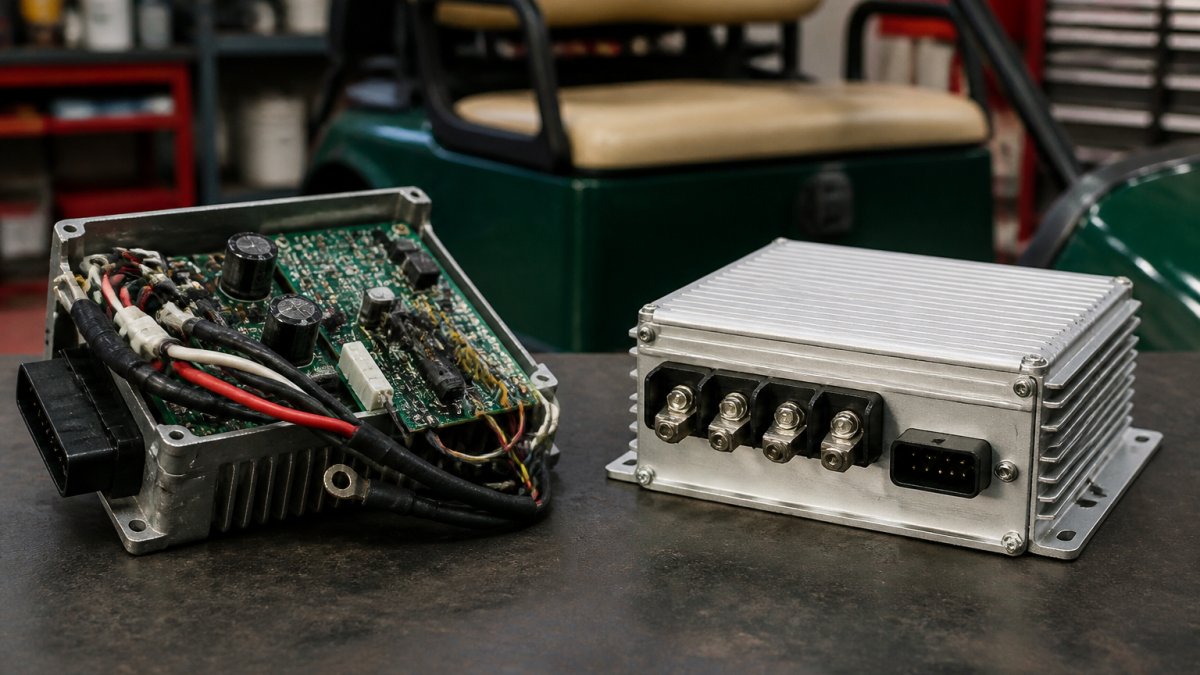
For an electric carriage, the price has to cover the vehicle, the battery pack and its replacement over time, charging, insurance, and driver labor. There is no feed or veterinary line, but there is a battery-degradation line that most quotes never mention.
The line items to ask about
When you request a quote from any operator, ask for these separately so you can compare like for like:
- Base rental for the booked window
- Delivery and pickup, especially outside a set radius
- Decorations, flowers, and signage
- Driver or handler time beyond the base window
- Overtime rate per additional hour
- Weather cancellation and reschedule policy
- Deposit and refund terms
- For horse-drawn: number of horses, handler count, and rest breaks built into the schedule
- For electric: battery capacity, stated range, charging time, and whether a mid-event charge is possible
Why the sticker price misleads
The only reliable comparison is total cost for your specific date, route, and guest count, with every line item confirmed. For local figures, see our golf cart rental pricing in Serenbe.
Amplify Your Ride does not publish a fixed rate, so the practical move is to request a quote with your date, guest count, route, and any decoration needs, then compare it against a horse-drawn quote using the same line items above.
Federal Trade Commission guidance on comparing prices and avoiding hidden fees
The quote items to compare side by side for either type of carriage are: hidden fees to watch for before you commit.
| Quote item | Horse-drawn carriage | Electric carriage |
|---|---|---|
| Ongoing running cost | Feed, veterinary care and animal care | Battery, charging and battery replacement over time |
| Driver/handler time | Handler and driver costs | Driver labor |
| Overtime | Rate per additional hour | Rate per additional hour |
| Delivery and pickup | Charged separately outside a set radius | Charged separately outside a set radius |
| Decorations and flowers | Itemized separately | Itemized separately |
| Weather cancellation | Check the policy in writing | Check the policy in writing |
| Deposit and refund | Confirm terms in writing | Confirm terms in writing |
Electric Carriage Safety and Comfort for Passengers
Safety is where the two options diverge most, and it is the area where a few concrete questions separate a well-run operator from a poorly run one.
The horse-drawn risk profile
A horse is a live animal that can be startled by sudden noise, traffic, crowds, or weather. That is the core safety concern with horse-drawn rides, and it is why route design and driver experience matter so much. A responsible operator will generally:
- Route the carriage away from heavy, fast traffic where possible
- Use a driver and a handler who are trained to manage the horse in traffic
- Limit hours and build in rest breaks so the horse is not worked while fatigued
- Have a clear plan for heat, storms, and sudden noise
- Carry insurance that specifically covers animal-drawn vehicles
Ask any horse-drawn operator how many handlers ride with the carriage, what the rest schedule is, and what happens if the horse is spooked. Vague answers are a warning sign.
The electric carriage risk profile
The electric carriage removes the startled-animal risk entirely, but it does not remove traffic risk. The remaining concerns are mechanical and operational:
- Braking and stopping distance on hills and wet pavement
- Battery failure or range exhaustion mid-route
- Driver training on the specific vehicle
- Visibility, lighting, and reflective markings for evening events
- Secure seating and clear entry and exit steps
A well-run electric operator will confirm the vehicle's stated range against your route, have a charging plan, and use a driver who knows the vehicle's braking and turning behavior.
Comfort, capacity, and accessibility
Comfort depends on seating, suspension, and noise. Electric carriages are generally quieter, which many passengers prefer for weddings and photo sessions. A horse-drawn carriage offers the traditional clip-clop experience but exposes passengers to weather and to the animal's movement.
Before booking either, confirm:
- Exact seated capacity, not standing room
- Whether the seating is bench or individual seats
- Step height and whether there is a handrail for boarding
- Whether a wheelchair or mobility device can be accommodated, and how
- Whether the carriage is open or enclosed, and what weather protection exists
- Noise level during the ride, especially for guests who are hard of hearing or sensitive to sound
Questions to ask either operator
- How many staff ride with the carriage?
- What is the emergency procedure if a passenger is injured or the vehicle breaks down?
- What is the weather cancellation policy?
- Is the operator insured for passenger carriage, and can they provide a certificate?
- What is the maximum passenger weight and capacity?
A short, specific answer to each of these tells you more about safety than any marketing photo.
National Highway Traffic Safety Administration guidance on passenger vehicle safety
Horseless Carriage Rental for Weddings and Special Events
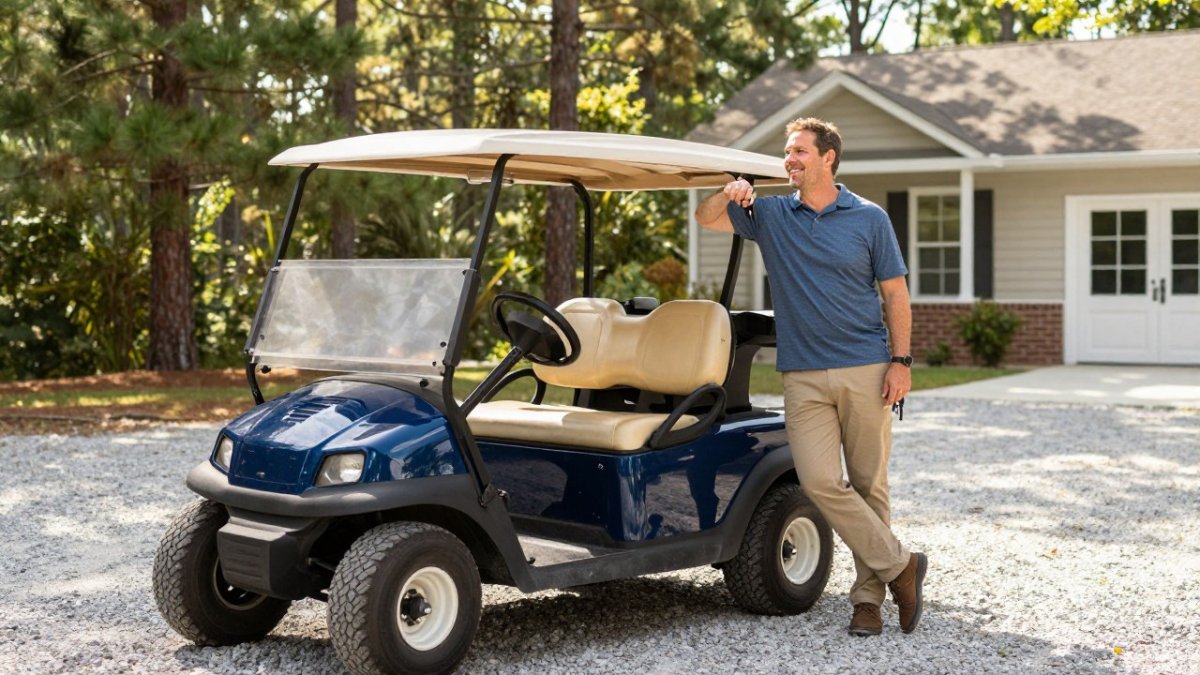
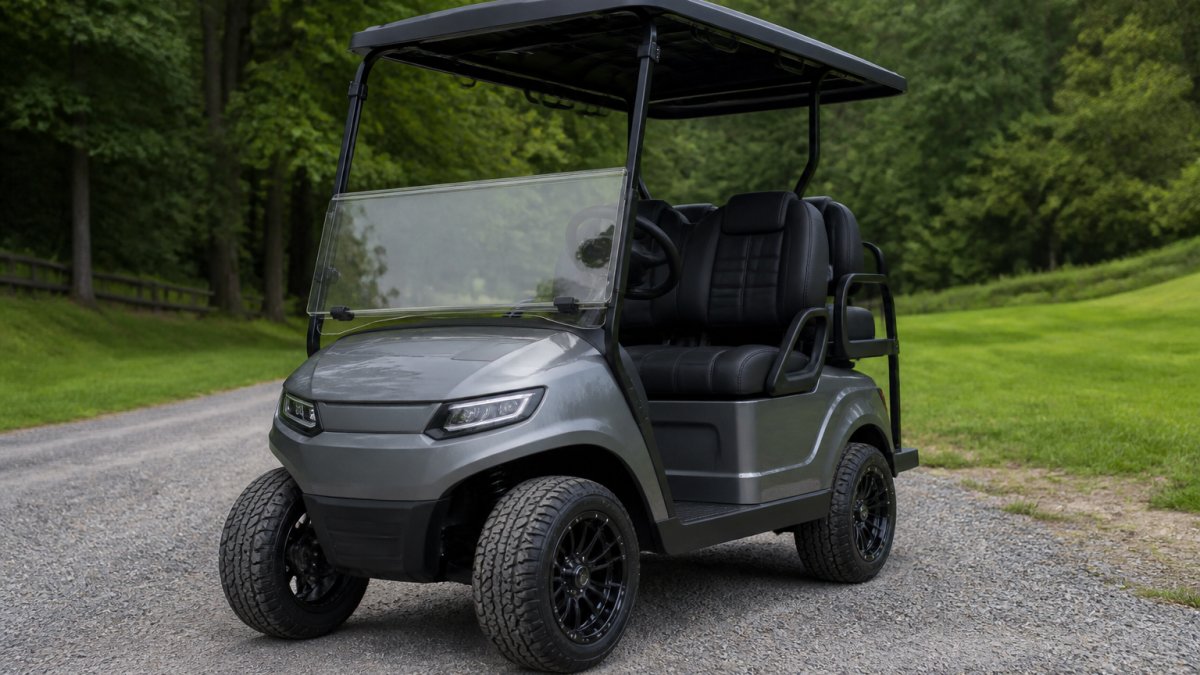
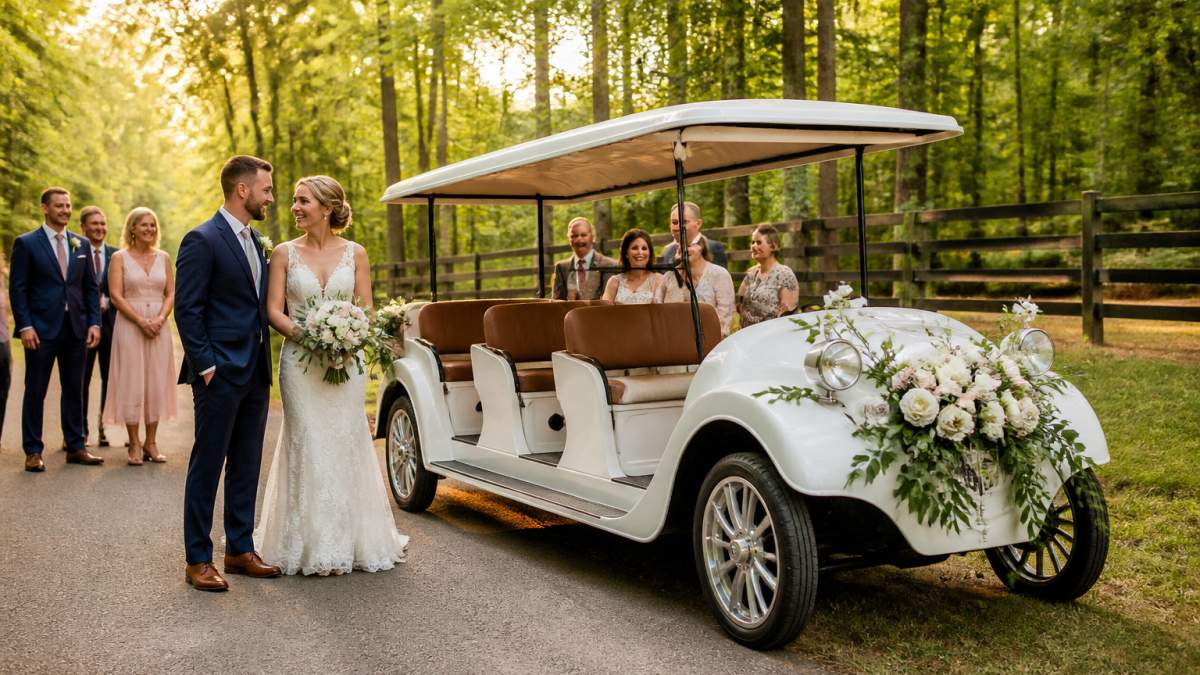
Amplify Your Ride rents a horseless carriage for weddings, special events, sightseeing and photo sessions.
Booking Your Carriage: Choosing the Right Option for Your Event
Choose a horse-drawn carriage if the traditional experience is the priority and you are comfortable with the animal-care questions and the weather limits. Choose an electric carriage if animal welfare matters to your group, if you need reliable scheduling or if the event is short and close to a charging point. For a wedding, a shorter ride with a clear timeline usually works best. If vehicle reliability is a concern, see our golf cart steering repair guide.
Contact Amplify Your Ride to discuss your date, guest count and route, and to request a quote for your event.
Frequently Asked Questions
How fast does a horse-drawn carriage move?
A horse-drawn carriage typically travels at a walking or trotting pace, which in practice is much slower than road traffic. Pace depends on the horse, the load, the terrain and the driver's instructions, and it is adjusted for traffic and heat. Ask any operator for the top speed and typical pace of the specific vehicle before booking, especially if you need to keep to a fixed schedule.
How do electric and horse-drawn carriages compare for passenger comfort and safety?
Electric carriages offer a smoother, quieter ride without the risk of a startled animal, which removes one of the main safety concerns for horse-drawn carriages on busy streets. Horse-drawn carriages provide the traditional experience many guests want, but their comfort depends on the horse, the road surface and weather. Both should be evaluated on seating, shade, accessibility and the operator's safety protocols.
Are electric carriages suitable for weddings and special events?
Yes, electric carriages are commonly considered for weddings, photo sessions and sightseeing because they offer a carriage-style look without a live horse. Confirm the seating capacity, decorating options, available routes and power or charging needs with the provider. Booking early is advisable for peak dates, and you should ask whether the rate covers delivery, setup and driver time.
What should you consider when renting a horse-drawn carriage?
Consider the animal welfare standards the operator follows, weather limits for working horses, the route and traffic on it, and the total cost including driver time, decorations and travel. Ask about insurance, cancellation terms and what happens if weather changes. Request written pricing so you can compare horse-drawn and electric options on equal terms.