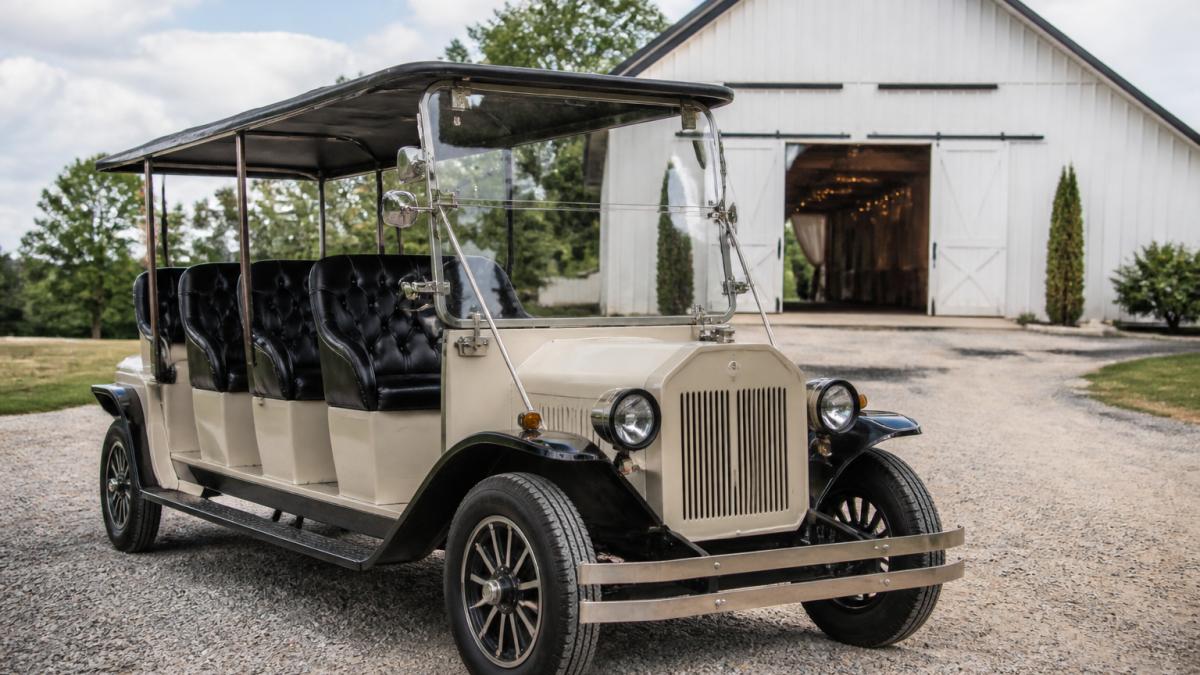
 comparison
Horseless Carriage Rentals for Events: A 2026 Guide
Table of Contents
- What Is a Horseless Carriage Rental?
- Horse-Drawn vs. Electric Carriage: Key Differences
- Electric Carriage Rental for Weddings
- How to Choose a Carriage for a Wedding
- Horseless Carriage Rental Pricing and Booking
- Event Types Best Suited for Carriage Service
- Safety, Liability, and Professional Standards
- Sustainability and Eco-Friendly Transportation
- Frequently Asked Questions
Last Updated: October 2, 2026
What Is a Horseless Carriage Rental?
A horseless carriage rental is a specialized event transportation service providing vintage or electric-powered carriage vehicles for weddings and celebrations. These vehicles offer a distinctive arrival experience combining elegance with modern convenience.
Horseless carriage rentals have become increasingly popular for memorable entrances and photo opportunities. The service includes a professional driver, decorated vehicle, and customized routing. Unlike standard transportation, a horseless carriage creates a focal point, guests notice the arrival, photographers capture candid moments, and the experience becomes part of your event's story.
Horse-Drawn vs. Electric Carriage: Key Differences
Understanding the distinction between traditional horse-drawn and electric horseless carriages helps you choose what fits your event's needs, venue, and values.
Traditional Horse-Drawn Carriages
Horse-drawn carriages deliver authentic vintage charm with the clip-clop of hooves and classic aesthetic, suiting formal weddings and historical venues where traditional elegance matters most.
Horse-drawn options require specific logistics: accessible areas for horses, adequate turning space, and sometimes property manager permission.
Horse-drawn carriages work best for events with flexible timing and outdoor ceremony spaces. Tight venue access, limited parking, or noise restrictions make this option impractical.
Electric Horseless Carriages
Electric carriages offer vintage aesthetic without animal logistics. They operate quietly, produce zero emissions, function in any weather, and require minimal venue preparation.
Electric carriages start at $200 per hour, making them accessible for various budgets. Quiet operation suits indoor venues and noise-sensitive locations, appealing to environmentally conscious couples.
The trade-off: electric carriages lack the authentic sensory experience of hooves and natural movement, though modern designs have largely closed this gap.
Electric Carriage Rental for Weddings
Electric carriage rentals offer eco-friendly operation, predictable availability, and weather-independent service for modern couples without sacrificing special-occasion feeling.
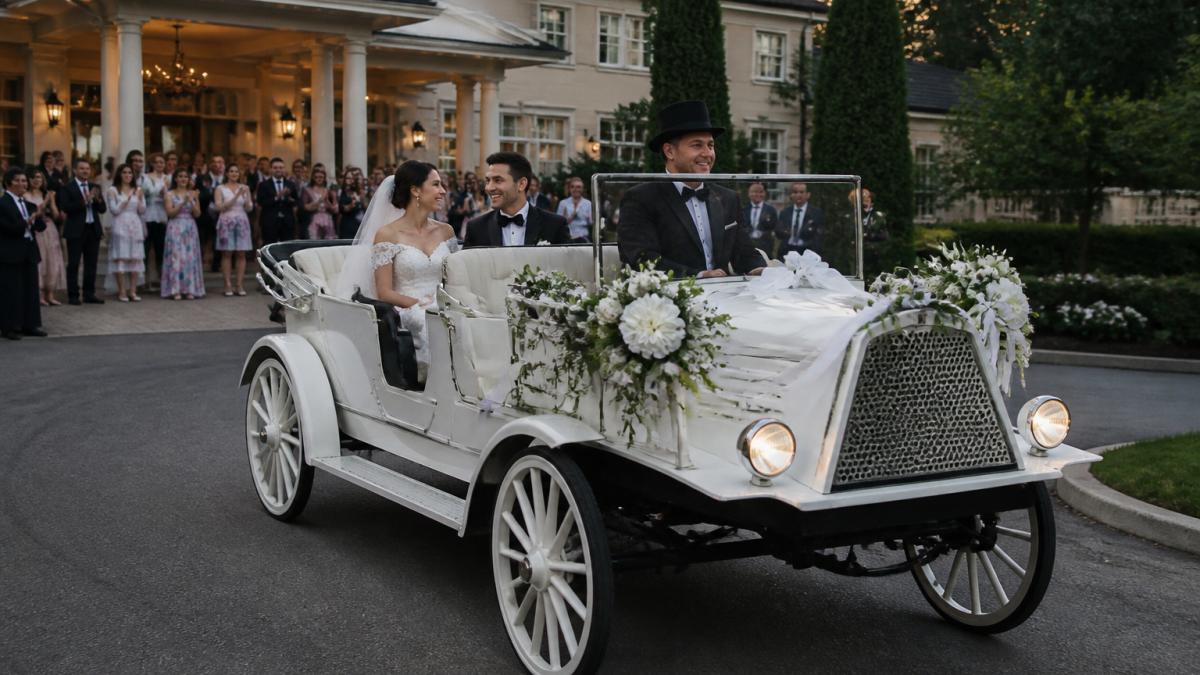
Wedding couples typically book electric carriages for ceremony arrival, departure after vows, or reception entrance.
Professional operators handle route planning, coordinate with photographers, and manage timing to ensure polished arrivals.
Electric carriages eliminate weather-related cancellations, providing reliability when coordinating with large guest counts.
How to Choose a Carriage for a Wedding
Selecting the right carriage involves three practical considerations: venue logistics, guest capacity, and aesthetic alignment with your event's theme.
Venue Logistics and Accessibility
Before booking, confirm your venue can accommodate the carriage by gathering specific measurements and understanding municipal requirements.
Physical Space Requirements:
- Driveway width: Most carriages require 10-12 feet of clear width. Confirm turning radius, standard horseless carriages need a minimum 35-40 foot radius.
- Overhead clearance: Measure height to obstacles. Most carriages stand 9-10 feet tall.
- Ground surface: Confirm paved or well-maintained gravel surface. Soft ground can cause wheels to sink.
- Staging area: Identify where the carriage will wait, out of guest sight lines and accessible for driver monitoring.
Regulatory and Venue Policy Requirements:
- Public road permits: Check whether your municipality requires permits for commercial vehicles on public roads. Contact your Department of Transportation 30-60 days before your event. Permit fees typically range from $50-$300.
- Noise ordinances: Horse-drawn carriages may trigger noise complaints in residential areas. Electric carriages are virtually silent.
- Animal welfare policies: Ask your venue coordinator directly about restrictions on horse-drawn services.
- Liability insurance: Request a Certificate of Insurance naming your venue and event date at least 14 days before the event. Minimum coverage is typically $1 million general liability.
- Parking and traffic flow: Coordinate with your venue coordinator about timing and guest arrival management.
Pre-Booking Site Visit: Request a site visit from your operator to confirm measurements, identify obstacles, suggest optimal routes, and coordinate with venue staff. This prevents day-of surprises.
Capacity and Guest Accommodation
Standard horseless carriages seat 2-4 passengers comfortably. Confirm capacity before booking if you want multiple family members. Position the carriage where your photographer has clear sightlines and communicate timing so they're ready for the arrival.
Aesthetic and Theme Alignment
The carriage's appearance should complement your event design. Traditional horse-drawn carriages suit classic or vintage-themed weddings. Electric carriages come in various styles, some replicate vintage designs, others offer modern aesthetics. Discuss decoration options during booking to ensure the carriage matches your vision.
Horseless Carriage Rental Pricing and Booking
Understanding pricing structure and booking requirements helps you budget accurately. The cost difference between horse-drawn and electric options significantly impacts event budgets.
Horse-Drawn vs. Electric: Cost Comparison
Electric Carriage Pricing:
Electric carriages typically cost $100-$200 for 30 minutes, $200-$350 for 60 minutes, and $150-$250 per hour for additional time.
Horse-Drawn Carriage Pricing:
Horse-drawn carriages cost $250-$400 for 30 minutes, $400-$700 for 60 minutes, and $300-$500+ per hour for additional time.
Seasonal Pricing Variations:
Peak season (May-October) increases prices 20-40%. Shoulder season (April, October-November) increases 10-15%. Off-season (December-March) offers base pricing with 15-25% discounts for weekday bookings.
Understanding Hourly Rates and Packages
Package-Based Pricing:
Many operators offer pre-set packages designed for common wedding scenarios:
- Ceremony arrival only: 30 minutes, covers pickup to arrival at ceremony entrance
- Ceremony arrival + departure: 60 minutes, includes arrival, ceremony conclusion, and departure from venue
- Extended photo session: 90-120 minutes, allows time for formal photos with the carriage as backdrop before or after the ceremony
Packages often provide better value than hourly rates. A 60-minute package at $250 costs less per hour than booking two 30-minute sessions separately.
Hourly Rate Structure:
Operators who charge hourly rates typically apply these principles:
- Minimum booking: Most require a minimum of 1-2 hours, even for short arrivals. This accounts for travel time to your venue and setup.
- Travel time: If your venue is beyond the operator's standard service radius (typically 20-30 miles), travel time may be charged at a reduced hourly rate or as a flat fee ($50-$150 each direction).
- Overtime: Hours beyond the initial booking are charged at the full hourly rate or sometimes at a slightly reduced rate for extended bookings.
- Setup and decoration: Custom decoration, floral arrangements, or special requests may incur additional fees ($50-$200 depending on complexity).
Deposits, Fees, and Insurance
Professional operators require non-refundable deposits to secure your date. Deposits typically range from 25-50% of the total cost and are due at booking. This protects the operator from cancellations while holding your preferred time slot.
Additional Fees to Clarify:
- Mileage fees: Some operators charge $0.50-$1.50 per mile if your venue is beyond their standard service radius. Request a quote that specifies mileage charges upfront.
- Setup and decoration fees: Custom flowers, lighting, or special requests typically cost $75-$250 depending on complexity.
- Travel time: If the operator must travel significant distance to reach your venue, travel time may be charged at $50-$100 per hour or as a flat fee.
- Cancellation policy: Understand what happens if you cancel within 7, 14, or 30 days. Most operators retain the deposit if you cancel within 30 days; some offer refunds if you cancel 60+ days in advance. Request the cancellation policy in writing.
- Weather-related rescheduling: For horse-drawn carriages, clarify whether extreme heat, cold, or rain triggers automatic rescheduling or refunds. Electric carriages rarely face weather issues.
- Gratuity: While not required, 15-20% gratuity for the driver is customary if you're satisfied with the service.
Liability Insurance:
Liability insurance is essential and non-negotiable. Reputable operators carry coverage protecting both you and them. Request proof of insurance before finalizing your booking.
Insurance Requirements:
- General liability coverage: Minimum $1 million is standard; some venues require $2 million.
- Certificate of Insurance: Request this 14 days before your event, naming your venue and event date.
- Additional insured: Ask whether your venue can be added as an additional insured on the operator's policy.
- Coverage verification: Confirm the insurance covers passenger injuries, property damage, and accidents involving the carriage.
Payment Terms:
Most operators require:
- Deposit (25-50%) due at booking to hold your date
- Final balance due 7-14 days before the event
- Some operators accept credit cards; others require bank transfer or check for final payment
Confirm payment methods and deadlines in your contract to avoid last-minute complications.
Event Types Best Suited for Carriage Service
Horseless carriage rentals work beautifully for specific occasions where the transportation itself becomes part of the experience.
Weddings remain the primary use case.
Anniversary celebrations capitalize on the romantic imagery.
Engagements and proposals use carriages for the surprise moment or the celebration immediately after.
Sightseeing and tourism represents another significant market.
Photo sessions for bridal portraits, family photos, or creative shoots use the carriage as a moving backdrop.
Safety, Liability, and Professional Standards
Reputable horseless carriage operators maintain strict safety and insurance standards.
Professional operators carry liability insurance covering passenger injuries, property damage, and accidents.
Driver qualifications matter. Experienced operators employ drivers trained in customer service, route navigation, and vehicle operation.
For horse-drawn carriages specifically, animal welfare standards are non-negotiable.
Vehicle maintenance and safety inspections protect passengers.
Weather contingencies matter. Operators should communicate clearly about weather-related cancellations or delays.
Sustainability and Eco-Friendly Transportation
Electric horseless carriages represent a significant shift toward sustainable event transportation.
For environmentally conscious couples, electric carriages align values with celebration. The quiet, clean operation appeals to venues and communities prioritizing sustainability.
Traditional horse-drawn carriages, while charming, require animal resources and ongoing care.
The choice between traditional and electric often reflects personal values. Both create memorable experiences. Electric options offer environmental benefits without sacrificing the special-occasion aesthetic.
Frequently Asked Questions
What is the average cost to rent a horseless carriage for a wedding?
Horseless carriage rental pricing varies based on duration, vehicle type, and service area. Hourly rates typically start around $200 per hour for electric options, while traditional horse-drawn services often require custom quotes. Pricing depends on quantity, dates, and delivery logistics. Contact Amplify Your Ride or other local providers for current pricing and available packages tailored to your event needs.
How does an electric carriage rental for weddings differ from a traditional horse-drawn option?
Traditional horse-drawn carriages deliver authentic historic character and classic elegance. Both serve as memorable ceremony entrances and photo opportunities.
What events are best suited for a horseless carriage rental?
Horseless carriages work well for weddings, anniversary celebrations, proposals, corporate events, parades, and special occasion transportation. They're ideal for photo opportunities, ceremony arrivals, and creating memorable moments. Consider your venue's accessibility, guest capacity needs, and event timeline when determining suitability.
How do I book a horseless carriage rental and what should I expect in the reservation process?
Contact carriage service providers directly to check reservation availability for your event date. Most require advance booking, especially for peak wedding season. Expect to discuss event type, location, preferred vehicle style, desired route, and any customization needs. Providers typically require a non-refundable deposit to secure your reservation. Confirm all details including pickup/drop-off times, mileage fees if applicable, driver services, and liability insurance coverage before finalizing your booking.