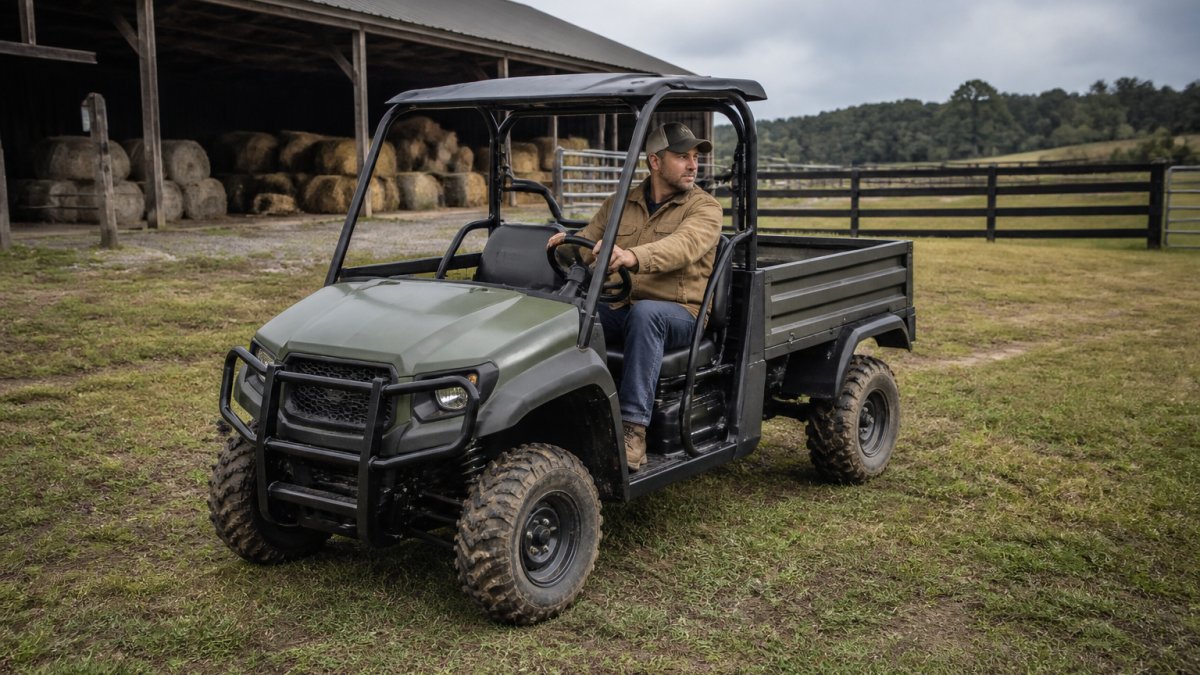
 comparison
Landmaster UTV for Farm Use: Complete Review
Table of Contents
- Landmaster UTV for Farm Use: What You Get
- Best UTV for Farm Work: How Landmaster Compares
- Landmaster UTV Problems: Common Issues and Solutions
- Landmaster UTV Towing Capacity by Model
- Landmaster Gas vs Electric UTV: Which Powers Your Farm
- Durability, Maintenance, and Long-Term Ownership
- Should You Buy a Landmaster UTV for Your Farm
- Frequently Asked Questions
Last Updated: October 12, 2026
Landmaster UTV for Farm Use: What You Get
A landmaster UTV for farm use combines durability, payload capacity, and rough-terrain capability in one work vehicle. At Amplify Your Ride, we work with local property owners in Chattahoochee Hills looking to purchase or service Landmaster UTVs for utility and recreational use. The right UTV is about reliability when you need it most, especially during harvest or when weather turns difficult.
Landmaster builds utility vehicles designed for jobs, with models explicitly filtered for farming and ranch work emphasizing all-steel frames, commercial-grade engines, and cargo-bed capacity that matches real farm tasks. The N6, N7, N7 Crew, and N7 HD are different configurations within their gas lineup, each addressing specific work scenarios.
What makes a UTV "farm-ready" goes beyond marketing language: ground clearance that clears ruts and rocks, a frame that won't rust through after two wet seasons, towing and payload limits that match your equipment, and local service without waiting weeks for parts or repairs.
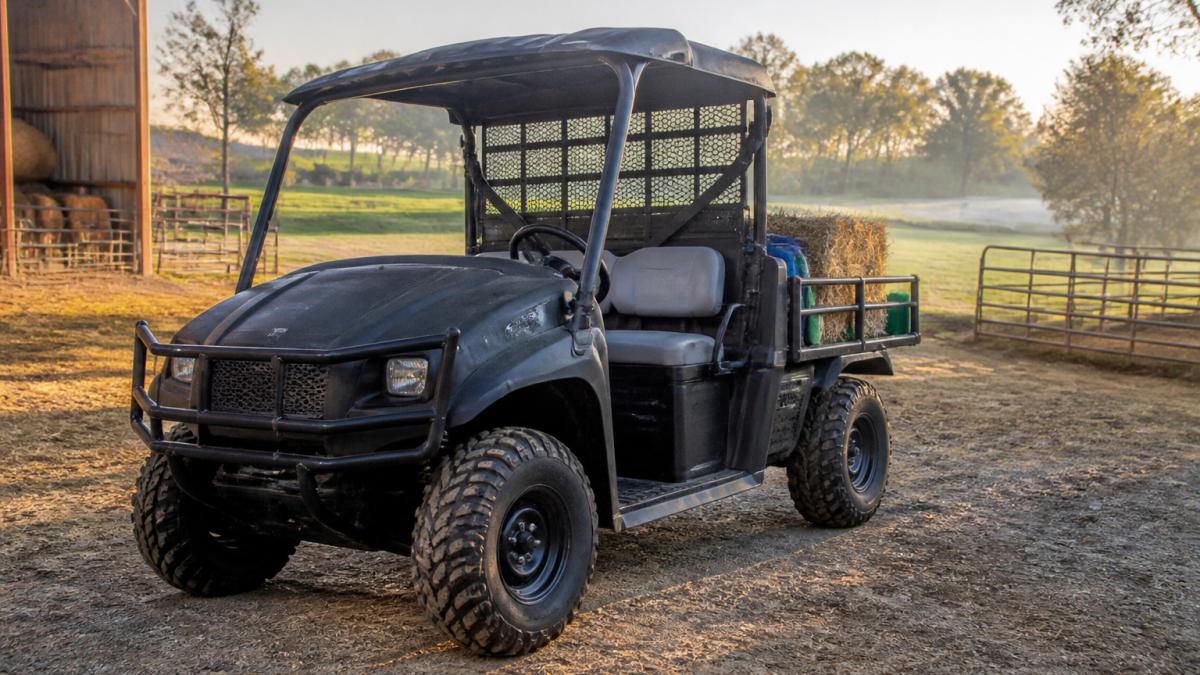
The Landmaster lineup filters directly for farming and ranch use on the manufacturer's website, which tells you they've built these vehicles with your environment in mind, not as an afterthought. They emphasize durability and dependable performance in harsh conditions, exactly what you get when manufacturers design from the ground up for agricultural work rather than adapting consumer models.
Best UTV for Farm Work: How Landmaster Compares
Choosing the best UTV for farm work means understanding how Landmaster positions itself against other commercial-grade options. Farm UTVs face demands recreational vehicles don't: you're not looking for speed or comfort, but reliability, payload capacity, and the ability to handle terrain that would strand a standard side-by-side.
Landmaster's approach centers on all-steel frame construction and commercial-grade engines. These aren't luxury features; they're survival features. An all-steel frame resists corrosion from salt spray, fertilizer exposure, and constant moisture, while a commercial-grade engine tolerates the sustained work cycles of farm operations, not just weekend trail riding.
The gas lineup includes the N7, N7 Crew, and N7 HD, each a different work configuration. The Crew model suggests multi-occupant capability for a second person during fieldwork, and the HD designation typically indicates heavy-duty specifications, though exact payload differences aren't specified. The N6 sits elsewhere in the lineup as a separate utility option.
What separates Landmaster from purely recreational UTVs is this: recreational brands optimize for fun, Landmaster optimizes for output. That means frame geometry for sustained cargo loads, suspension tuned for rough terrain rather than smooth trails, and engines prioritizing torque and pulling power over top speed. For a farm operation, that's the right trade-off.
The real test is whether you can get parts and service locally. A UTV is only as good as its support network. If you're waiting three weeks for a belt or a fuel pump, your harvest doesn't pause, your operation does. According to the U.S. Department of Agriculture's farm equipment guidance, equipment downtime during critical work windows can cost thousands in lost productivity.
Landmaster UTV Problems: Common Issues and Solutions
Every vehicle has weak points. Understanding them upfront prevents expensive surprises and helps you maintain the Landmaster UTV for farm use before small problems become disasters.
The most common issue farm owners report with UTVs, including Landmaster models, is frame corrosion in high-moisture environments. If your farm sits near a coast or in areas with heavy rainfall and salt spray, the all-steel frame requires regular maintenance. This isn't Landmaster-specific; steel exposed to salt and moisture oxidizes. The solution is preventive: wash the undercarriage regularly, apply protective coatings where vulnerable, and store the vehicle under cover.
Electrical gremlins appear frequently in UTVs used in wet conditions. Moisture corrodes terminals and causes intermittent starting issues or dashboard failures, an environmental rather than design-specific problem. Keep battery terminals clean and sealed, check wiring harnesses for cracks, and don't ignore warning lights, they're telling you something before it becomes a breakdown.
Transmission problems can emerge if the UTV is consistently overloaded beyond its rated payload capacity. Exact payload limits aren't specified for each Landmaster model, but the principle is universal: exceed the rating and you're stressing components designed with specific tolerances. Know your vehicle's limits and respect them.
Fuel system issues, clogged filters, stale fuel problems, appear in UTVs that sit idle for months. If you use the vehicle seasonally, run fuel stabilizer through the tank before storage. Fresh fuel matters more than you'd think when vehicles sit dormant between seasons.
Most UTV problems are preventable. Maintenance isn't optional; it's insurance. A $200 service interval now beats a $3,000 repair later.
Landmaster UTV Towing Capacity by Model
Towing capacity determines what equipment you can pull safely. Exceed it, and you're risking frame damage, transmission failure, and loss of control, especially on uneven terrain or in wet conditions.
Specific towing or payload numbers aren't provided for individual Landmaster models. That's a critical gap when buying, because the difference between a 1,500-pound and 3,000-pound capacity fundamentally changes what you can do.
Here's what matters: contact Landmaster directly or work with a local dealer, like Amplify Your Ride, who can pull exact specifications for the model you're considering. Towing capacity assumes proper hitch equipment, good tires, and level terrain; steep grades, soft ground, and trailer weight distribution all reduce effective capacity. A vehicle rated for 2,500 pounds can't safely handle that load on a muddy slope with worn tires.
The N7 Crew's multi-occupant design suggests different duty than the standard N7, but without capacity data that's speculation. The N7 HD designation hints at higher capacity, but hints aren't specifications.
Before you buy, get the actual numbers in writing. Ask your dealer for towing capacity, payload capacity, and the conditions under which those ratings apply, plus what happens if you exceed them: does warranty coverage disappear? Is frame damage covered? These conversations separate responsible dealers from those who'll sell you a vehicle and disappear when problems emerge.
Landmaster Gas vs Electric UTV: Which Powers Your Farm
The choice between gas and electric power for a Landmaster UTV for farm use involves trade-offs most guides oversimplify. Neither is universally "better"; the right choice depends on your operation, budget, and usage patterns.
Gas engines deliver what farms have relied on for a century: immediate power, no charging infrastructure, and refueling anywhere. A commercial-grade gas engine produces the torque for sustained pulling and hauling, and Landmaster's gas lineup, the N7, N7 Crew, and N7 HD, represents the traditional approach.
The downside of gas is operational cost. Fuel prices fluctuate, and engine maintenance requires regular oil changes, filter replacements, and seasonal tune-ups. Over a decade of farm use, fuel and maintenance add up significantly.
Electric UTVs offer lower operational cost per mile, zero emissions, and reduced maintenance: no oil changes, fewer moving parts, quieter operation. For operations where you move around a property repeatedly during the day, electric works well, charging overnight and handling the next day's tasks.
The limitation of electric is range. A gas UTV runs all day on a tank of fuel; an electric UTV runs until the battery depletes, then requires hours of charging.
Cost of ownership favors electric over time if you use the vehicle regularly, since fuel and maintenance expenses disappear. Upfront cost favors gas because electric models command a premium. The break-even point depends on annual usage and local electricity versus fuel costs.
For a farm operation, the honest answer is this: gas handles larger properties and longer work days with fewer constraints, while electric works better for smaller operations, frequent short trips, and overnight charging.
Durability, Maintenance, and Long-Term Ownership
A UTV is a long-term asset if you treat it that way. Durability determines how many seasons you get before major repairs become uneconomical.
Landmaster emphasizes all-steel frame construction, the right choice for farm environments. Steel is heavier than aluminum but handles impact better on rough terrain; the trade-off is more aggressive maintenance to prevent rust. Aluminum frames are lighter and rust-resistant but dent more easily and cost more to repair.
Commercial-grade engines last longer under sustained work than consumer-grade engines, built with thicker walls, better cooling, and components designed for continuous operation rather than intermittent use. That means higher upfront cost but lower replacement risk over the vehicle's life.
Maintenance costs vary by model and usage, but a general framework applies: budget for regular oil changes, air filter replacements, belt inspections, and tire maintenance. These preventive expenses keep major failures from happening.
Parts availability matters more than you'd think. If your local dealer stocks common replacement parts, maintenance stays quick and affordable; if you're ordering from across the country and waiting weeks, downtime costs money.
Warranty coverage protects you during the first years of ownership. Understand what's covered and what isn't: frame rust is often excluded as environmental rather than manufacturing, while mechanical failures are typically covered only if you've followed the manufacturer's maintenance schedule. Skip scheduled service and warranty claims get denied.
Long-term ownership success comes down to this: treat the UTV like the farm equipment it is. Maintain it on schedule, store it properly, don't exceed rated capacities, use the right fuel and fluids, and address problems immediately rather than hoping they go away.
Should You Buy a Landmaster UTV for Your Farm
The decision to buy a Landmaster UTV depends on five factors: property size, the work you need to do, budget, local dealer support, and whether you prioritize gas or electric power.
If you have 50+ acres, regularly haul equipment, navigate rough terrain, and need a vehicle that handles sustained work, a Landmaster UTV is worth serious consideration. The all-steel frame and commercial-grade engine are built for exactly that scenario.
If you have a smaller property, do mostly light maintenance work, and value low operational cost, an electric UTV might serve you better, though Landmaster's electric availability isn't specified.
If you're buying used, inspect carefully: ask about maintenance history, check for frame rust, test the engine under load, and verify all systems function. A well-maintained used Landmaster holds value better than a neglected one.
The honest limitation of this review is that exact specifications, towing capacity, payload limits, model-specific pricing, and electric availability remain unclear. Before deciding, contact Landmaster directly or visit a local dealer who can provide detailed specifications for the exact model you're considering.
A Landmaster UTV for farm use is a solid choice if the specifications match your operation and you can access local service and parts support. It won't be the cheapest option, but it's built to last in harsh conditions, and for a farm, durability matters more than price.
Farm equipment demands reliability that recreational vehicles simply can't deliver. Amplify Your Ride specializes in new and used golf cart sales, service, rentals, and parts in the Chattahoochee Hills, GA area, and also sells and services Landmaster UTVs for utility and recreational use.
Frequently Asked Questions
What makes a Landmaster UTV suitable for farm and ranch work?
Landmaster UTVs are built with heavy-duty frames and commercial-grade engines designed to handle rough terrain and demanding work tasks. The models available through the farm and ranch filter feature cargo-bed capacity for hauling equipment and supplies, off-road tires for uneven ground, and durability features that support daily farm operations. Ground clearance and terrain-handling capability make them practical for property maintenance, fencing, feed delivery, and other utility work common on farms and ranches.
What is the towing capacity of Landmaster UTVs for farm use?
Landmaster UTV towing capacity varies by model and trim package. The brand offers multiple gas models (N7, N7 Crew, N7 HD) and electric options, each with different payload and towing specifications. Contact Amplify Your Ride for exact towing limits on the specific model you're considering, as capacity directly affects your ability to haul farm equipment, trailers, and materials safely.
Should I choose a gas or electric Landmaster UTV for farm work?
Gas Landmaster UTVs typically offer greater towing capacity, longer range, and faster refueling, making them ideal for all-day farm operations and heavy hauling tasks. Electric models provide lower operating costs, quieter operation, and reduced maintenance, but may have shorter range and limited towing power. Your choice depends on your primary tasks, budget, daily mileage, and access to charging infrastructure. Discuss your specific farm needs with Amplify Your Ride to find the right fit.
What are common problems with Landmaster UTVs, and how are they addressed?
Like any utility vehicle, Landmaster UTVs can experience issues such as frame rust in harsh conditions, electrical problems on electric models, and engine hesitation on gas units. Regular maintenance, including frame inspection, battery care, and engine servicing, prevents many problems before they escalate.