 comparison
Best Alternatives to Cheap Used Golf Carts in 2026
Table of Contents
- Why Cheap Used Golf Carts Often Cost More Than They Save
- Golf Cart Alternatives Compared: Types, Costs, and Use Cases
- New Golf Carts: Lower Maintenance and Warranty Protection
- Low-Speed Vehicles and Neighborhood Electric Vehicles
- Scooters, E-Bikes, and Other Compact Alternatives
- Used Golf Cart Buying Checklist: What to Inspect Before You Pay
- Golf Cart Price Guide: What Drives the Cost Up or Down
- How to Choose Based on Your Budget and Daily Needs
- Frequently Asked Questions
Last Updated: October 13, 2026
Why Cheap Used Golf Carts Often Cost More Than They Save
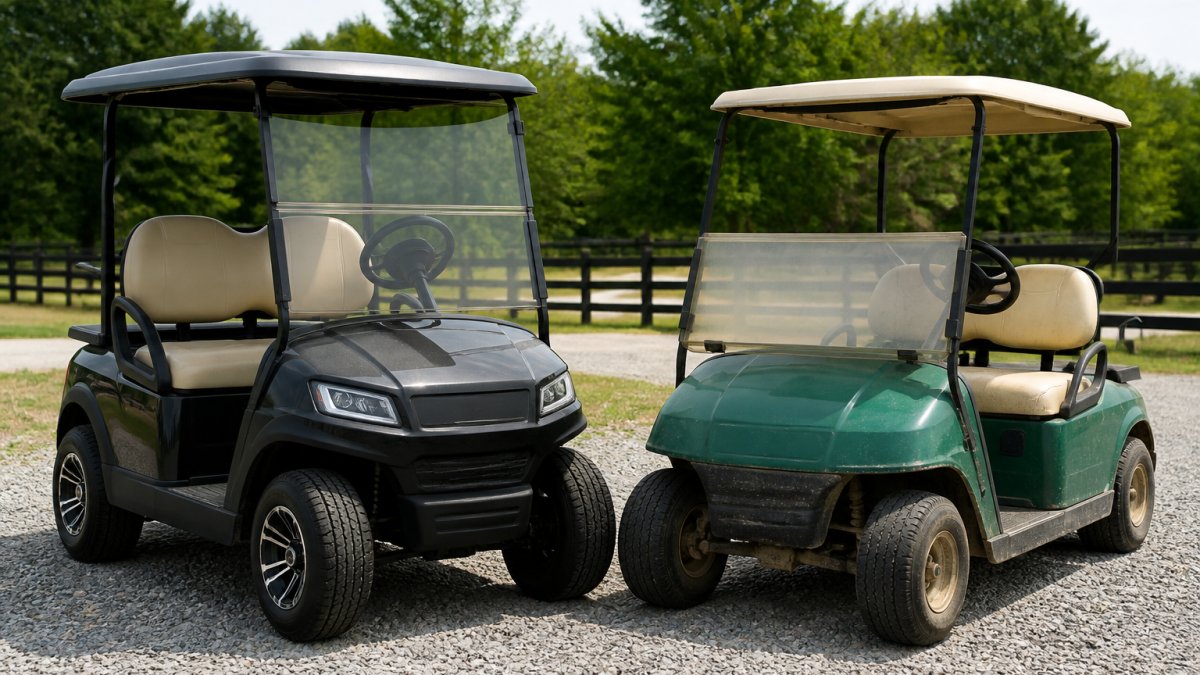
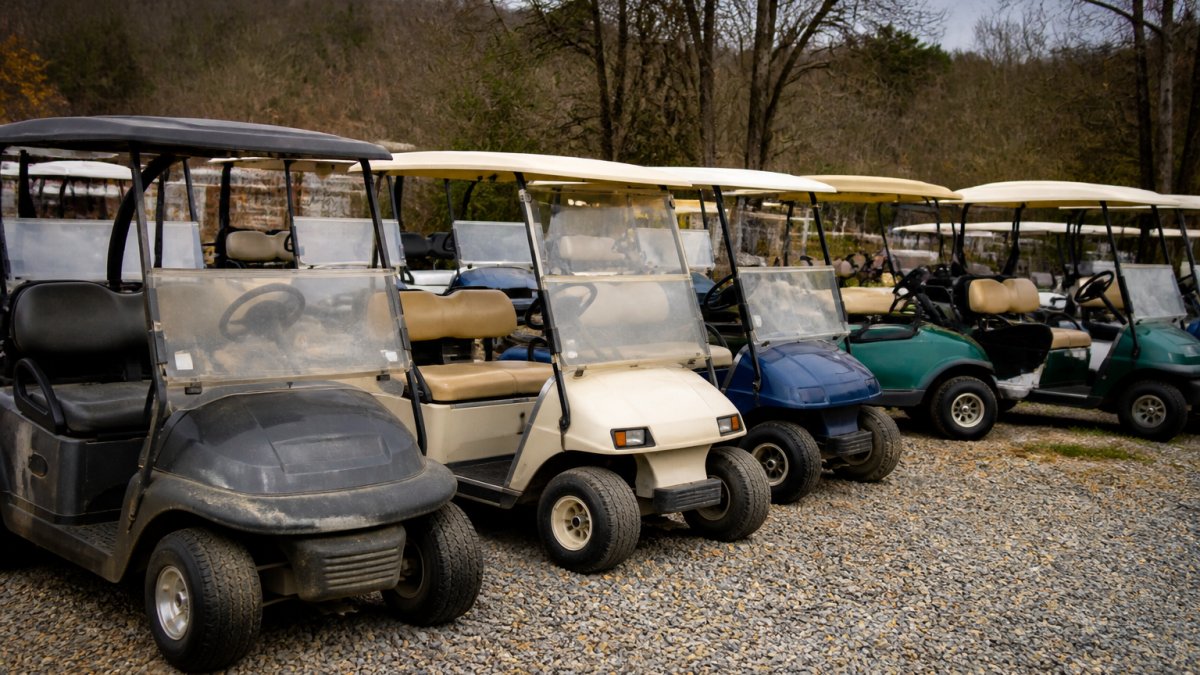
A cheap used golf cart looks like the smart money move until the third repair bill arrives. At Amplify Your Ride, we have watched buyers chase the lowest sticker price, then spend the difference on batteries, brakes, and controllers within a single season.
Total cost of ownership is the real figure: purchase price plus battery replacement, tires, brakes, controller repairs, charging equipment, insurance, and registration. A cart that needs new batteries in month two rarely stays cheap.
The Hidden Risks in Budget Used Carts
The biggest danger is what you cannot see. Flood damage, frame rust, and patched wiring hide under fresh paint and new seat covers. A seller who refuses an inspection is telling you something.
The same logic applies to any used cart. Age, mileage, and service history matter more than shine.
Golf Cart Alternatives Compared: Types, Costs, and Use Cases
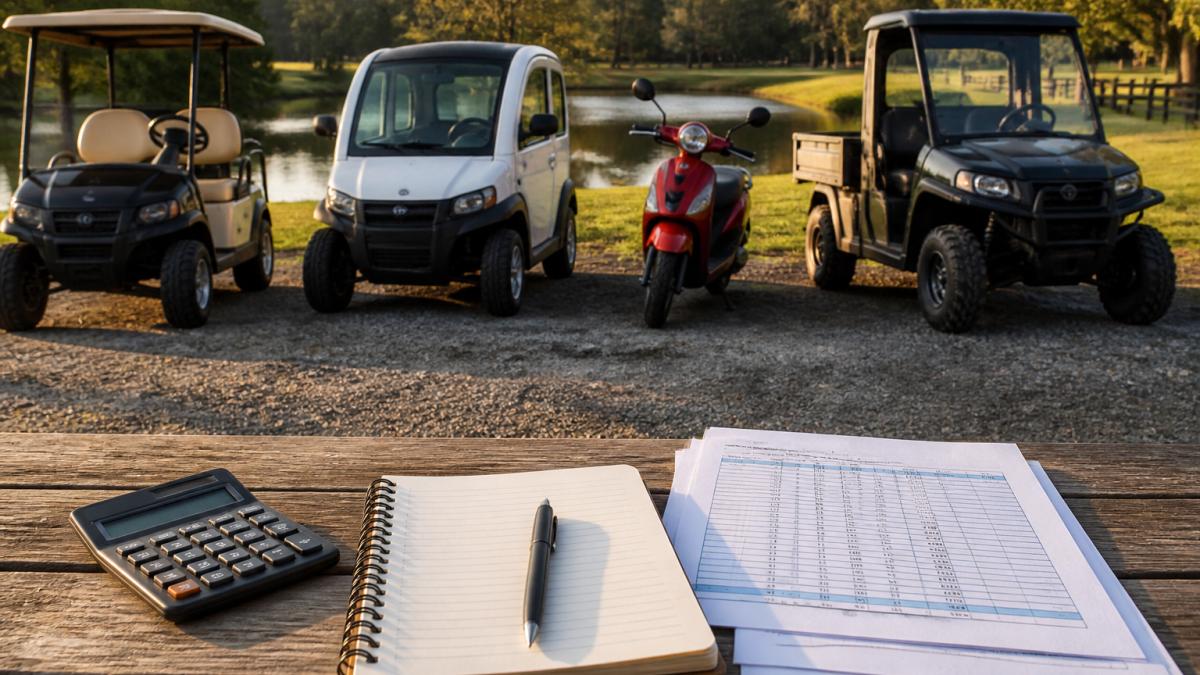
There is no single best replacement for a cheap used cart, because the right answer depends on how you move. A neighborhood errand runner, a wedding shuttle, and a small farm utility vehicle are three different jobs.
Total cost of ownership means purchase price plus batteries or fuel, tires, brakes, controller and motor repairs, charging equipment, insurance, registration, and resale value.
The main alternatives break down into five groups:
- New golf carts from established manufacturers, with warranties and current safety equipment
- Dealer-inspected used golf carts, which carry accountability a private listing does not
- Low-speed vehicles and neighborhood electric vehicles, built for street use with lights, mirrors, and seat belts
Side-by-Side Comparison Table
| Option | Best For | Passenger/Cargo | Street Legal Potential | Maintenance Profile | Biggest Hidden Cost |
|---|---|---|---|---|---|
| New golf cart | Daily community travel | 2-6 seats, light cargo | Varies by state and local rules | Low, under warranty | Depreciation in year one |
| Dealer-inspected used cart | Budget buyers who want recourse | 2-4 seats | Varies | Moderate | Battery pack age |
| Low-speed vehicle | Street routes under local speed caps | 2-4 seats | Yes, where registered | Moderate | Insurance and registration |
| Scooter / e-bike | Solo short trips | 1 rider, minimal cargo | Limited | Low | Battery replacement every few years |
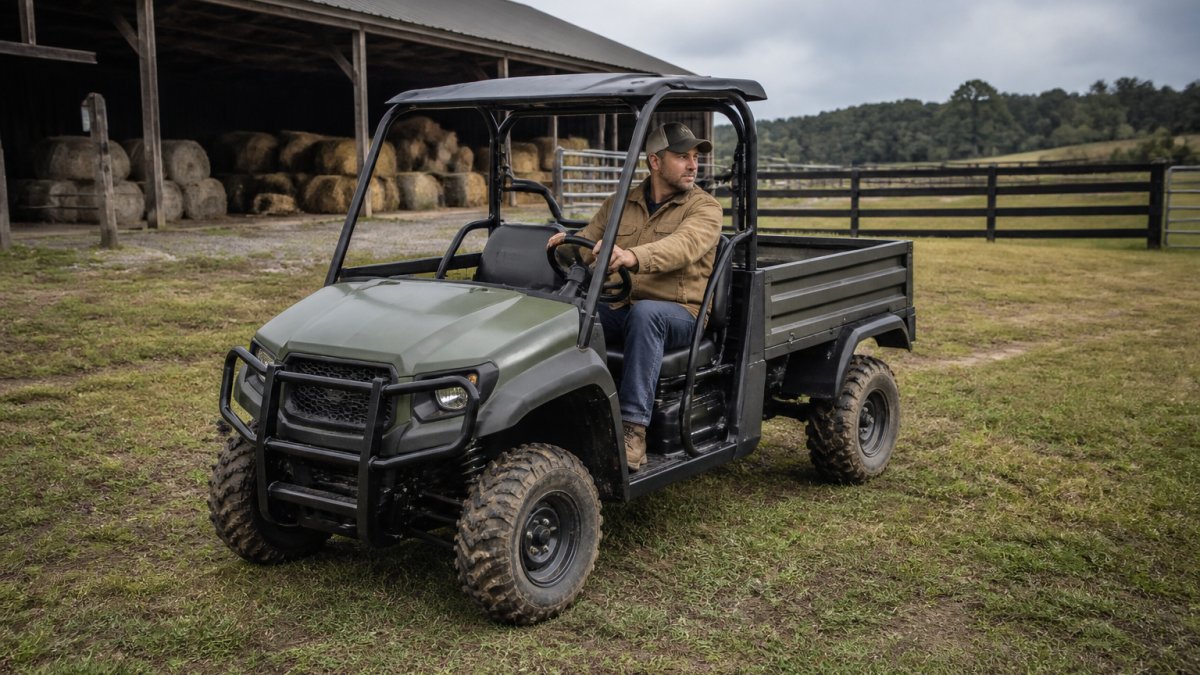
| Utility vehicle | Property work, hauling | 2 seats, truck bed | Off-road mainly | Moderate to high | Fuel, tires, and drivetrain wear |
Battery Condition and Replacement Economics
On any electric cart, the battery pack is the largest single line item after the vehicle itself. Lead-acid packs last roughly four to six years with careful watering and charging, while lithium packs run longer but cost more up front.
Ask the seller for the date codes stamped on the batteries, then test the pack under load, not just at rest. A pack that reads full voltage sitting still can collapse the moment you climb a hill.
What Each Alternative Actually Costs You Over Five Years
The cheapest purchase price often produces the highest five-year cost. A used cart with an aging pack, worn tires, and unknown service history accumulates repairs faster than a new or dealer-inspected cart with a warranty.
New Golf Carts: Lower Maintenance and Warranty Protection
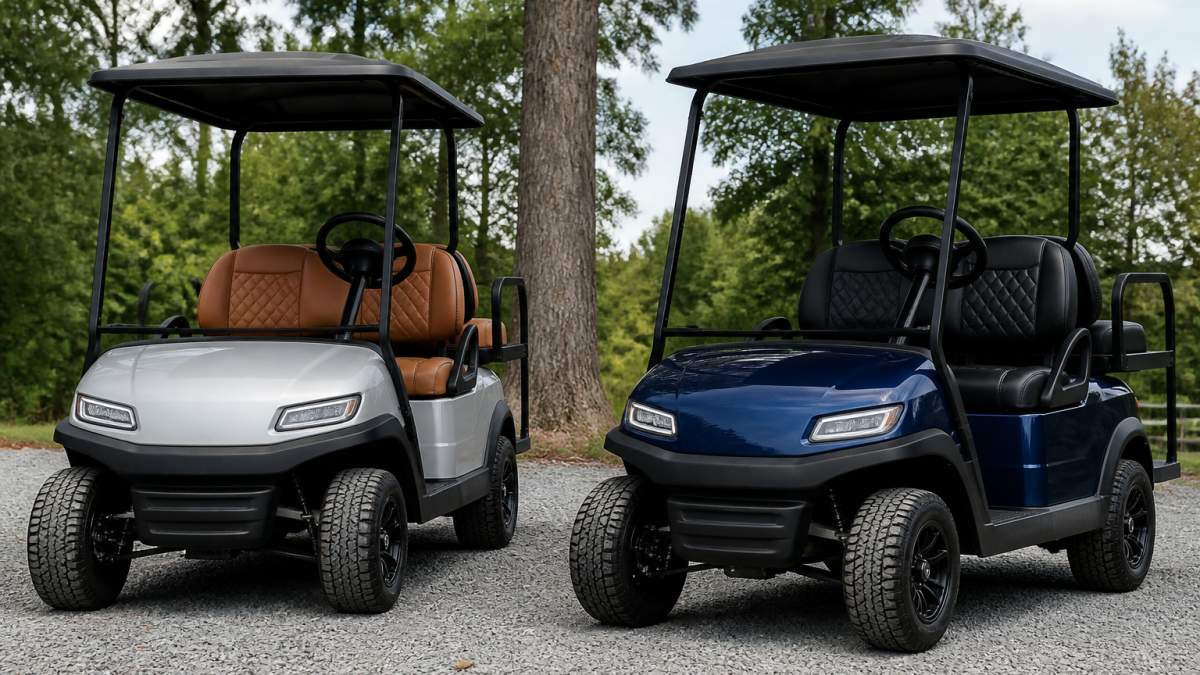
A new cart removes the guesswork: a known service history, a factory warranty, and parts still in production.
Amplify Your Ride specializes in new sales of EPIC, Star EV, and Greyson golf carts, and we also carry used inventory inspected before it hits the lot.
The trade-off is upfront cost. New is not the cheapest entry point, but it is often the lowest total cost over five years once you subtract battery replacement and repair risk.
Low-Speed Vehicles and Neighborhood Electric Vehicles
A low-speed vehicle is a four-wheeled electric vehicle built for road use, typically capped by law at speeds in the low-to-mid 20s mph and required to carry lights, mirrors, and seat belts.
These are the closest thing to a street-legal golf cart, but the rules are not uniform. Street legality, registration, insurance, and safety equipment requirements vary by state and municipality.
Scooters, E-Bikes, and Other Compact Alternatives
Compact options win on price and storage, and lose on capacity. A scooter or e-bike is easy to charge, park, and run, but carries one person and almost no cargo.
For solo short trips, a compact electric option can replace a cart entirely. For families, event shuttles, or anyone hauling gear, it cannot.
- Scooters: quick solo trips, minimal storage
- E-bikes: exercise plus assist, low running cost
- Compact carts: small footprint for tight spaces, still two seats
If your use case includes guests, groceries, or grandkids, a compact option will leave you short.
Used Golf Cart Buying Checklist: What to Inspect Before You Pay
A used golf cart buying checklist turns a gut-feel purchase into a decision. Print it, bring a flashlight, and walk away from anything that fails the first three items.
- Check frame rails and battery tray for rust, cracks, or water lines
- Test the battery pack under load, not just at rest; ask for age and date codes
- Inspect tires for uneven wear, which signals alignment or suspension problems
- Test brakes, steering play, and the parking brake on a slope
Golf Cart Price Guide: What Drives the Cost Up or Down
A golf cart price guide is really a list of variables, not a single number. Pricing depends on age, battery condition, brand, seating, accessories, and whether a warranty is included. Because inventory and condition shift constantly, current pricing depends on the specific cart. What we can give you is the framework that decides whether a price is fair.
The Variables That Move Price the Most
Battery condition is the largest swing factor. A cart with a fresh pack is worth far more than an identical cart with batteries near the end of their life, because replacement is a major expense. If a seller cannot show battery age, assume the worst and negotiate accordingly.
Other cost drivers include:
- Brand and parts availability: established manufacturers are easier to service, and common models have cheaper, faster parts
- Repairability: a cart with a widely supported controller and motor is worth more than an orphan model
- Outfitting: lights, mirrors, enclosures, and truck beds add cost and value
- Condition and mileage: low hours with records beats low price every time
Budget Bands and What They Buy
Rather than quote a single number, think in bands. At the lowest end, expect a cart that needs work, likely a battery pack, and budget for that repair in your first season. In the middle, expect a running cart with a serviceable pack and some cosmetic wear. At the higher end, expect a newer cart, a fresher pack, and often a warranty or dealer inspection.
Matching the Vehicle to the Job
- Golf-course use: a standard two-seat cart with good tires and a healthy pack
- Neighborhood errands: a cart with lights and mirrors, or a low-speed vehicle if your streets require registration
- Property work: a utility vehicle with a bed and towing capacity
- Travel and limited storage: a compact cart or folding e-bike that fits a garage corner
Buying Used, Buying New, Renting, or Leasing
Buying used is the cheapest entry point and the highest risk. Buying new costs more up front but usually produces the lowest five-year cost once you subtract battery replacement and repair risk. Renting makes sense for events, seasonal visitors, or anyone testing whether they actually use a cart. Leasing spreads the cost of a new cart across a term, suiting buyers who want predictable payments and a warranty.
Because pricing shifts with inventory and condition, contact Amplify Your Ride for current pricing on new and used inventory rather than trusting a generic number online.
How to Choose Based on Your Budget and Daily Needs
Start with the job, not the price. Write down how far you travel, how many people ride, what you haul, and whether you need street access.
Then match the vehicle type to that list:
- Solo, short, cheap: scooter or e-bike
- Family, community, daily: new or dealer-inspected used golf cart
- Street routes: low-speed vehicle with proper registration and safety equipment
- Property work: utility vehicle with a truck bed
The real challenge is not finding a low price, it is finding a vehicle that stays trouble-free through daily use. Amplify Your Ride can help you compare new and used options, inspect a cart before you buy, and keep it serviced so unexpected bills stay rare.
Frequently Asked Questions
What is a good alternative to a cheap used golf cart?
A new golf cart from a dealer is often the strongest alternative. You get a warranty, fresh batteries, and a known service history. Other options include low-speed vehicles, scooters, e-bikes, and bicycles. Each trades something different: new carts cost more upfront but avoid repair surprises, while scooters and bikes cost less but carry less cargo and fewer seats. Match the choice to how far you travel daily and whether you need to carry passengers or equipment.
Are new golf carts worth the extra cost over used ones?
New carts usually come with a warranty and fresh batteries, which removes the two biggest sources of surprise spending on used carts. Batteries alone can cost a significant amount to replace, and a warranty covers defects in the first years of ownership. If you plan to keep the cart for several years and rely on it daily, the upfront difference often pays back through lower repair and replacement costs.
What should I check before buying a used golf cart?
Use a used golf cart buying checklist: inspect the frame for rust, look for signs of flood damage, test the battery pack under load, check tire wear, and ask for service records. Take the cart for a test drive on hills to see how it handles. Confirm the age and type of batteries, since replacement cost depends on it. A dealer inspection can catch problems a quick look misses.
Are low-speed vehicles a practical alternative to golf carts?
Low-speed vehicles, also called neighborhood electric vehicles, are street legal on roads with speed limits up to 35 mph in many areas. They include required safety equipment like seat belts, mirrors, and lights, and they typically need registration and insurance. For daily travel on public roads, they offer more protection and legality than a standard golf cart. For private community paths, a golf cart is often simpler and cheaper.
Is a refurbished golf cart a good alternative to a cheap used cart?
A refurbished cart from a reputable dealer can be a smart middle ground. Refurbished carts usually get new batteries, brakes, tires, and a full inspection before sale, so you avoid the worst risks of a private-party used cart. Ask what was replaced and whether any warranty applies. The price sits between a cheap used cart and a new one, and the condition is far more predictable than a budget listing.