 How-to
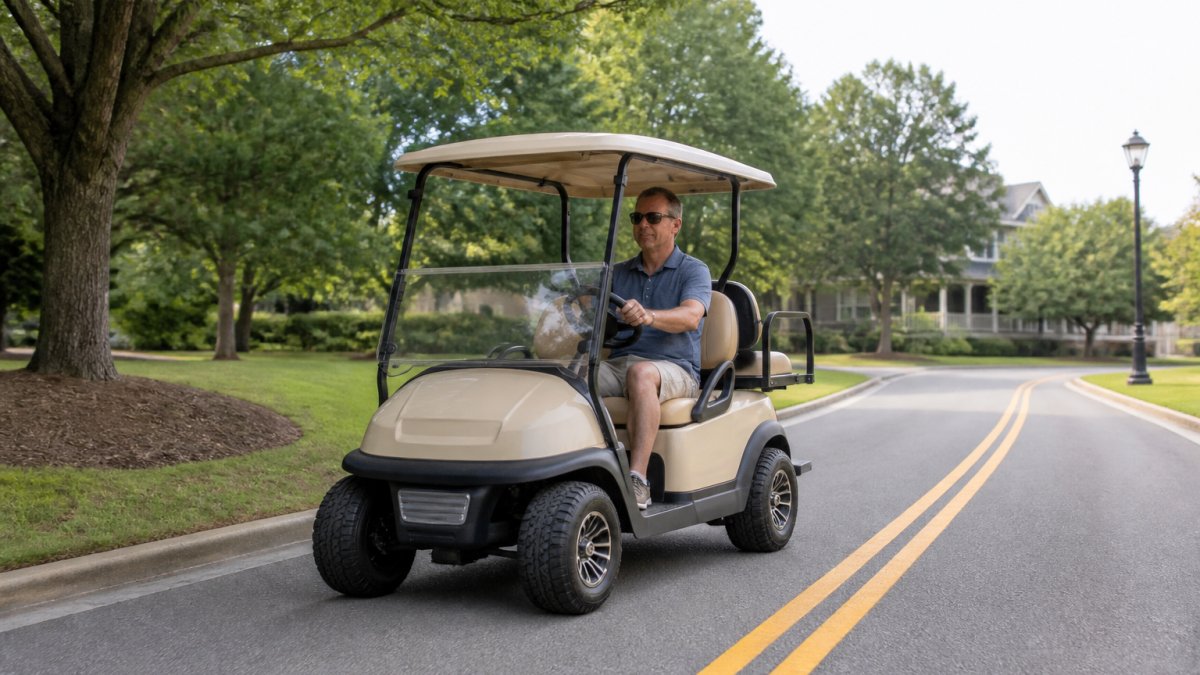
How to Drive a Golf Cart on Public Roads Legally
Last Updated: October 28, 2026
Quick Summary
You can drive a golf cart on public roads only where a specific law allows it, since there is no blanket right to take a cart onto a public street. Permission comes from state law and local ordinance, and it rarely covers every road in town. Check the state statute, the local ordinance, and the posted speed limit before you drive.
- A golf cart is often defined by a design speed of 20 mph or less.
- Local-option states delegate street-by-street cart decisions to cities and counties.
- A common state pattern allows LSVs on roads posted at or below 35 mph.
- LSVs usually need a title, registration, and sometimes a license plate.
- Confirm the state minimum age and any stricter local age rule before letting a teen drive.
Table of Contents
- When a Golf Cart Is Allowed on a Public Road
- Golf Cart Laws by State: What Changes at the Border
- Golf Cart Street Legal Requirements: The Equipment Checklist
- Golf Cart Driver's License Requirements and Minimum Age
- Low-Speed Vehicle Requirements: When Your Cart Becomes an LSV
- How to Verify the Rules for a Specific Route
- Step-by-Step: Preparing Your Cart Before It Touches Pavement
- Getting Your Cart Inspected and Road-Ready
- Frequently Asked Questions
When a Golf Cart Is Allowed on a Public Road
Can you drive a golf cart on public roads? Yes, but only where a specific law allows it. There is no blanket right to take a cart onto a public street. Permission comes from state law and local ordinance, and it rarely covers every road in town.
A golf cart is a small, low-speed vehicle, and most states treat it differently from a car. The rules follow the road, not the driver: a street that allows carts in one neighborhood may ban them two blocks over.
Check three things before you turn a wheel: state law, the local ordinance, and the posted speed limit on your route.
- State law sets the basic framework for cart use.
- Local rules decide which specific streets are open.
- Posted speed limits usually cap where carts can go.
Get all three right, and a cart can be a legal, practical way to get around.
Golf Cart Laws by State: What Changes at the Border
Golf cart laws by state vary widely. Some states let towns decide everything, others set statewide rules for speed, age, and equipment, and a few treat carts almost like cars. Permission to use golf carts on public roads depends on applicable state and local rules.
Sort states into three rough patterns, illustrative rather than a substitute for your own state's statute.
- Local-option states. The state code defines a golf cart and sets a framework, then delegates street-by-street decisions to cities and counties. Two adjacent towns can have opposite rules, and the practical answer lives in a municipal ordinance.
- Statewide-permission states. The state statute authorizes cart operation on roads posted at or below a set speed, subject to equipment, age, and licensing conditions. Local governments may still restrict specific streets, but the baseline permission is statewide.
- Restrictive states. The state code limits carts to golf-course property, private roads, or designated cart paths, and public-road use requires a local ordinance many jurisdictions never adopt. Here, the default answer is no.
Within each pattern, the same variables recur. Watch for these in your state statute:
- The definition section. Many codes define a golf cart by design speed (commonly 20 mph or less) and intended use. A cart modified to exceed that design speed may no longer fit the definition, and a different vehicle class may apply.
- The posted speed cap. Rules about road speed limits vary by jurisdiction.
- The age floor. Minimum operator-age rules vary by jurisdiction.
- Licensing. Driver licensing rules vary by jurisdiction.
- Registration or permit. Permit and registration rules vary by jurisdiction.
- Equipment and inspection. Equipment and inspection rules vary by jurisdiction.
- Insurance. Insurance requirements and policy coverage depend on the applicable rules and your policy.
Never assume the rules you learned in one jurisdiction carry over to another. For a route you use often, check the current rules for each jurisdiction on the route.
National Highway Traffic Safety Administration guidance on low-speed vehicles
Golf Cart Street Legal Requirements: The Equipment Checklist
Golf cart street legal requirements depend on the applicable rules. Check which safety gear is required for your cart and route. Browse custom golf cart accessories that satisfy these equipment requirements.
- Headlights and taillights that work
- Brake lights
- Turn signals
- Reflectors on front, sides, and rear
- A rearview mirror
- A windshield
- Seat belts where required
- A slow-moving vehicle emblem where required
- A horn
- A parking brake
Golf Cart Driver's License Requirements and Minimum Age
Golf cart driver's license requirements depend on the applicable rules.
Minimum age requirements depend on the applicable rules.
Before you hand the keys to a teenager, confirm two things:
- The state minimum age for cart operation on public roads.
- Any stricter local age or supervision rule.
Check the applicable rules to determine whether a learner's permit qualifies.
Low-Speed Vehicle Requirements: When Your Cart Becomes an LSV
Low-speed vehicle requirements apply when a vehicle meets the applicable definition of an LSV.
Here is how the two compare in practice:
| Feature | Golf Cart | Low-Speed Vehicle (LSV) |
|---|---|---|
| Top speed | Often 20 mph or less | Greater than 20 mph, up to 25 mph |
| Federal safety standards | Limited | FMVSS No. 500 equipment set |
| Title and registration | Often none | Usually titled and registered |
| License plate | Rarely required | Commonly required |
| Insurance | Varies by state | Often required |
| Where it can drive | Local streets where allowed | Roads posted at or below the LSV cap, commonly 35 mph |
That last row surprises many drivers. A common state pattern allows LSVs on roads posted at or below 35 mph, even though the vehicle tops out at 25 mph: the posted limit is the gate, not the vehicle's top speed. Some states set a different threshold, and local governments can restrict specific roads further.
- Speed capability. Confirm the cart can exceed 20 mph but stay at or below 25 mph on a level paved surface. A cart that cannot exceed 20 mph generally remains a golf cart; one that exceeds 25 mph may fall outside the LSV class entirely.
- Equipment to the federal set. Add or verify the FMVSS No. 500 items: headlamps, stop lamps, turn signals, taillamps, reflectors, parking brake, mirrors, windshield, and seat belts.
- Title and registration. Most states that regulate LSVs require a title and registration, and many issue a license plate. The paperwork usually starts with the manufacturer's statement of origin or a state-assigned VIN.
- Insurance. Confirm liability coverage before the first road trip. Some states require it for LSVs; in others, your existing auto policy may or may not extend to the vehicle.
If you are unsure how your vehicle is classified, check the applicable rules before using it on public roads or making changes.
How to Verify the Rules for a Specific Route
Before traveling, confirm that every road on your route is open to carts and that the applicable speed limits fit.
Work through these steps:
- Check the state statute. Confirm carts are allowed on public roads at all, and note the speed cap.
- Pull the local ordinance. Check the applicable local rules for information about which streets are open or closed to carts.
- Read the posted speed limit. Check the applicable rules for any road speed limits that apply to carts.
- Look for restricted roads. Check whether any roads on your route are restricted.
- Check crossings. Check the applicable rules for road crossings as well as travel along a road.
- Confirm with the local authority. For questions, consult the relevant local authority.
Check the applicable written rules for your route.
Step-by-Step: Preparing Your Cart Before It Touches Pavement
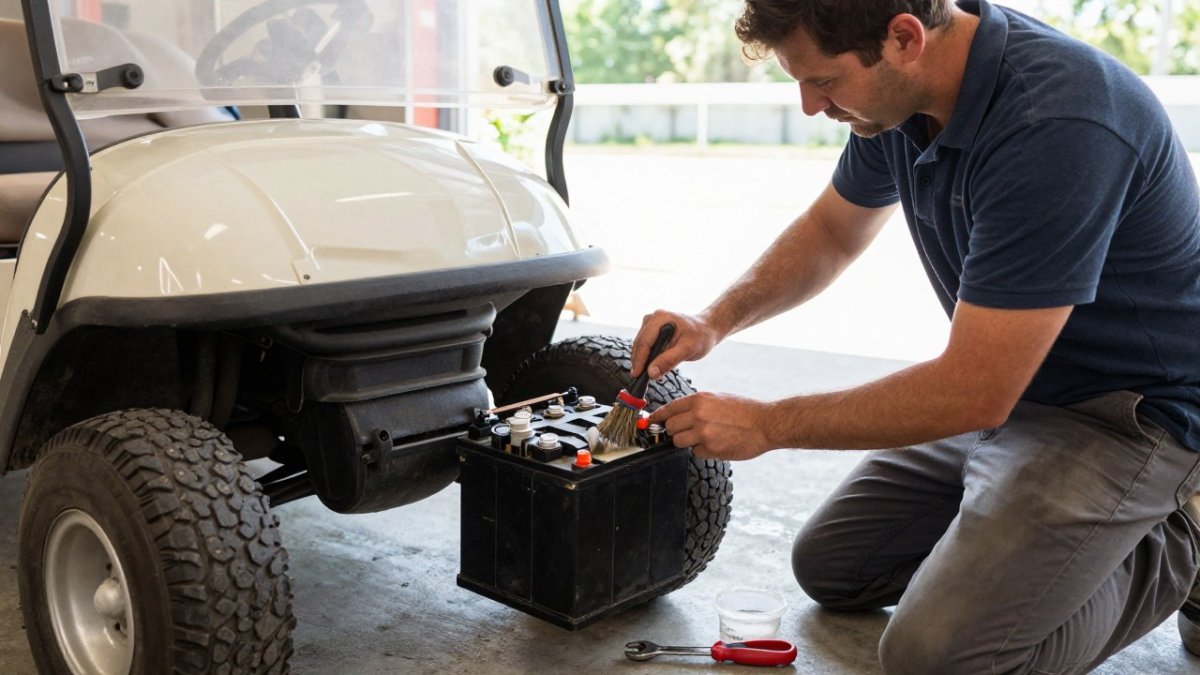
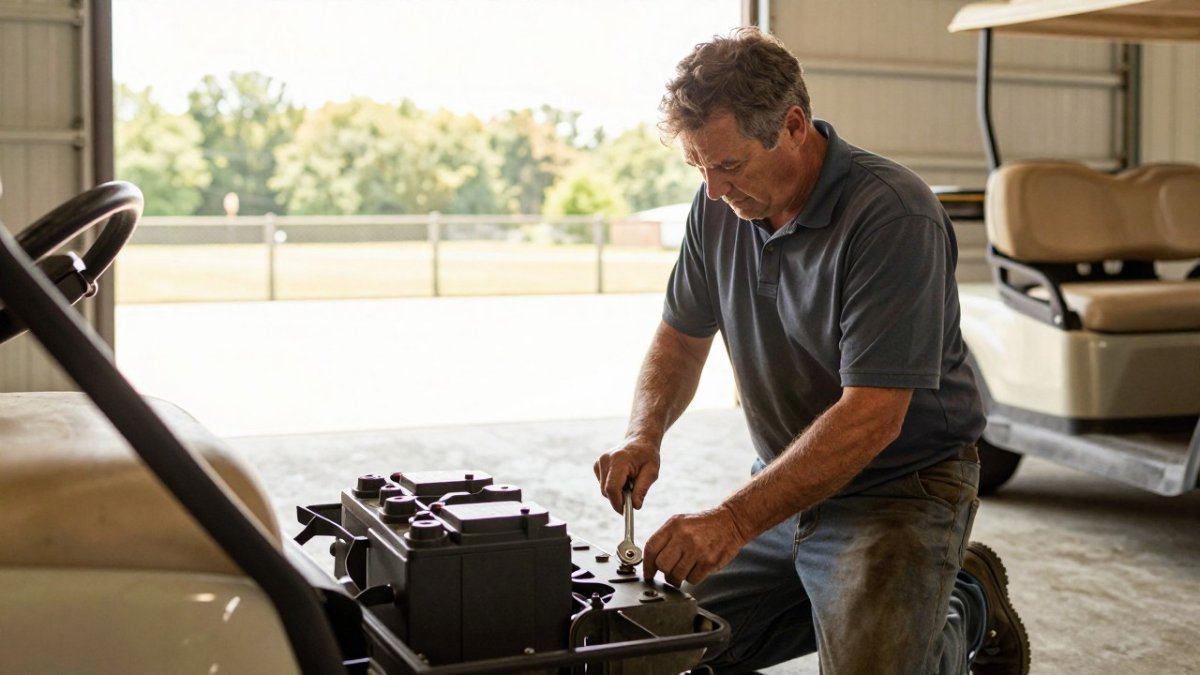
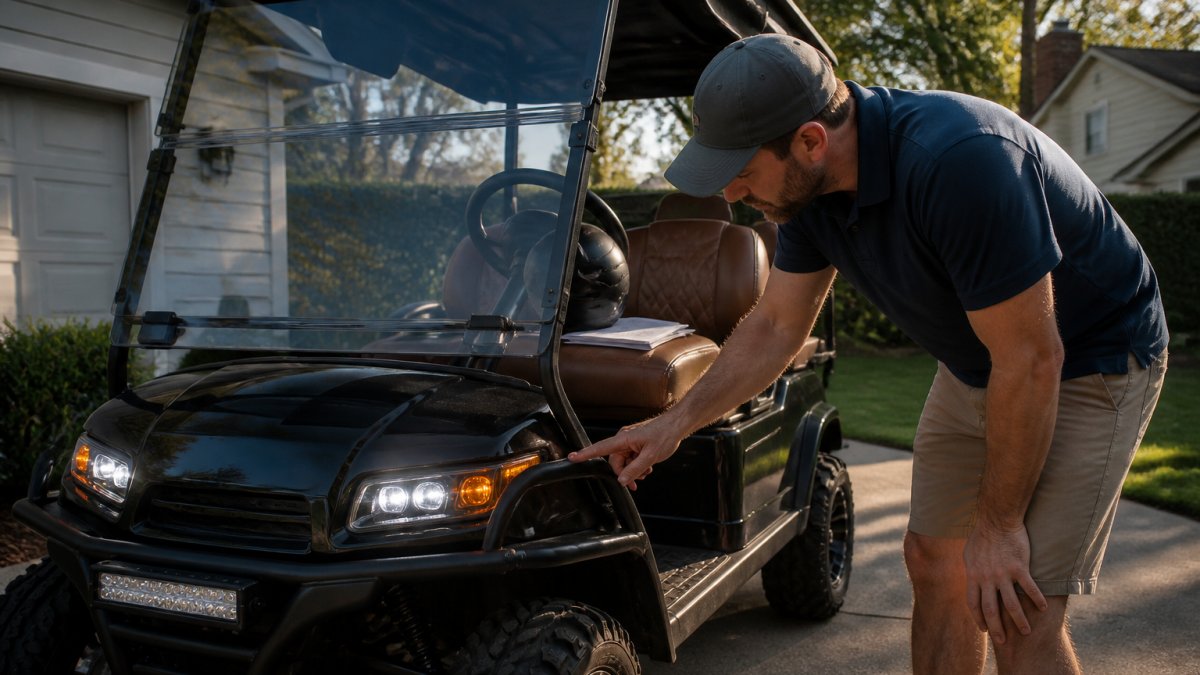
Before using a cart on public roads, check the applicable requirements and the cart's condition. Follow a golf cart maintenance checklist to make sure it is in proper working condition.
- Confirm your legal status. Know whether your cart is a golf cart or an LSV, and whether it needs a permit.
- Walk the equipment list. Test every light, the horn, the mirrors, and the brakes.
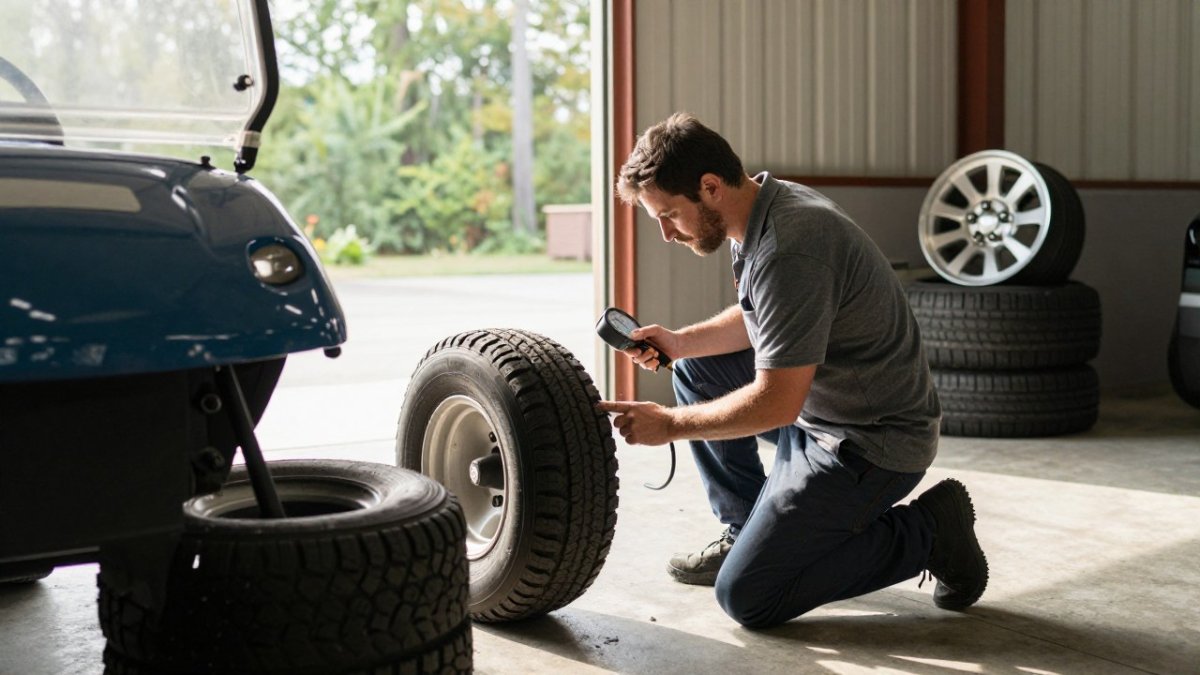
- Check the tires and brakes. Worn brakes are a safety and legal problem at once.
- Verify insurance. Confirm your policy covers road use if your state requires it.
- Carry your paperwork. Permit, registration, and license as required.
- Plan your route. Use the verification steps above before you leave the driveway.
Getting Your Cart Inspected and Road-Ready
Check the applicable rules and equipment requirements before using a cart on public roads. A professional golf cart diagnostics service can confirm your cart is road-ready.
Our team handles new and used carts, service, rentals, and parts for the Chattahoochee Hills area.
Driving a golf cart on public roads depends on the applicable rules. Check the state law, local ordinance, and equipment requirements for your route. Amplify Your Ride sells new and used carts, services and repairs them, rents carts for events and visits, and offers parts and accessories. Get started with Amplify Your Ride.
Frequently Asked Questions
Can you drive a golf cart on public roads at all?
Whether you can drive a golf cart on public roads depends on the applicable rules. Check the rules for your route before leaving private property.
Do you need a driver's license to drive a golf cart on the road?
Golf cart driver's license requirements depend on the applicable rules. Check with the relevant licensing authority before letting a teenager drive on a public road.
What makes a golf cart street legal?
Equipment requirements for a golf cart depend on the applicable rules. Check both the equipment requirements and whether your route is authorized for cart use.
How fast can a golf cart go on public roads?
Speed limits and vehicle-classification requirements depend on the applicable rules. Check those rules before modifying a cart or using it on public roads.