 Ultimate guide
New Golf Cart Warranty Coverage Explained for Buyers
Last Updated: November 17, 2026
Quick Summary
A new golf cart warranty is a manufacturer's written promise to repair or replace defects in materials and workmanship for a set period after delivery, and it usually splits into a vehicle warranty for the chassis and major systems plus separate component warranties for items like batteries and the charger. Read both documents, because a long vehicle term means little if the battery clause expires first.
- Battery warranties usually cover premature defects, not the gradual capacity loss every pack experiences with normal use.
- Pro-rated battery coverage means the manufacturer's share of a replacement drops as the pack ages.
- Wear items like tires, brake pads, belts, filters, and bulbs are commonly excluded from coverage.
- Get repair authorization before any work begins, since an unauthorized shop can void the claim.
- Extended coverage adds years beyond the standard term, but confirm components, labor, and transferability before signing.
Table of Contents
- What a New Golf Cart Warranty Typically Covers
- Golf Cart Warranty Length by Component and Brand
- Golf Cart Battery Warranty: Capacity, Degradation, and Replacement
- Golf Cart Warranty Exclusions and What Voids Coverage
- Standard vs. Extended Coverage: What the Upgrade Actually Buys
- EZGO Warranty Registration and Claim Steps for Any Brand
- Bring Your Warranty Questions to Amplify Your Ride
- Frequently Asked Questions
What a New Golf Cart Warranty Typically Covers
A new golf cart warranty is a manufacturer's written promise to repair or replace defects in materials and workmanship for a set period after delivery. The details of the paperwork decide what you actually get, so read it carefully before you buy. Most new-cart warranties split into two documents: a vehicle warranty covering the chassis and major systems, and separate component warranties for items like batteries and the charger.
Vehicle Warranty vs. Component Warranty
A vehicle warranty covers the cart as a whole: frame, motor, controller, and electrical system, usually for a defined term measured from the date of purchase or delivery. A component warranty covers one specific part on its own schedule. Batteries are the classic example. Your cart's overall term might run several years while the battery warranty runs a shorter, separate period with its own conditions.
Golf Cart Warranty Length by Component and Brand
Coverage length is where shopping gets real. Brands set their own terms, so the same component can carry different protection from one maker to the next.
| Component | Typical Coverage Focus | What to Confirm in Writing |
|---|---|---|
| Frame and chassis | Structural defects | Term length, rust exclusions |
| Motor and powertrain | Mechanical defects | Parts vs. labor coverage |
| Controller and electrical | Defects in materials | Whether labor is included |
| Battery system | Capacity and defects | Pro-rated terms, degradation limits |
| Charger | Defects in workmanship | Whether it is separate from the cart |
Brands such as EPIC, Star EV, and Greyson publish their own terms, and those terms can change by model year. Compare coverage duration line by line before you decide, and ask which parts are covered for parts only versus parts and labor.
Golf Cart Battery Warranty: Capacity, Degradation, and Replacement
The battery is the most expensive wear item on the cart, and its warranty is the most misunderstood. A golf cart battery warranty usually covers defects that cause premature failure, not the gradual loss of capacity every battery experiences with normal use. The fine print that decides whether you get a new pack is the capacity threshold, the pro-rating schedule, and the usage limits, and most buyers never read any of the three.
Defect vs. Normal Capacity Loss
A defect claim is for a pack that fails outright or drops far below its rated capacity well before its expected service life. Normal capacity loss is the slow decline every pack experiences as it cycles. Lead-acid packs typically lose capacity faster in hot climates and when watered poorly; lithium packs hold capacity longer but cost more to replace. The warranty document should state the exact threshold, often expressed as a percentage of original rated capacity, below which the pack qualifies for replacement.
How Pro-Rated Battery Coverage Works
Many battery warranties are pro-rated, meaning the manufacturer's share of a replacement drops as the pack ages. A common pattern is full coverage in the first year or two, then a declining percentage of the replacement cost each year after. That is very different from a non-prorated warranty that replaces a defective pack at no charge for the full term.
Cycle, Usage, and Maintenance Limits
Lithium warranties often cap the number of charge cycles or total operating hours covered, and some limit coverage to personal use. Flooded lead-acid warranties commonly condition coverage on scheduled watering with distilled water, proper charging, and storage at the correct state of charge. A pack that was run flat repeatedly, charged with an unapproved charger, or left discharged through a winter is a common denial scenario.
What to Gather Before Filing a Battery Claim
- The original warranty document for the exact pack model and year
- Proof of purchase and the cart's serial number
- Your maintenance and charging records
- A dealer or authorized service diagnosis showing measured capacity against the rated figure
- Photos of the pack label and any visible damage
Ask any dealer for capacity test results in writing so you have the evidence the manufacturer may require. If you want a realistic picture of what a replacement pack costs when the warranty does not apply, our golf cart battery replacement cost breakdown lays out the figures so you can judge the warranty's real value.
Golf Cart Warranty Exclusions and What Voids Coverage
Exclusions are the fine print that decides claims. Most denials fall into a few predictable buckets: wear items, misuse, unauthorized modifications, neglected maintenance, and use the warranty was never written for. Understanding how manufacturers evaluate each one is more useful than memorizing a list.
The Difference Between a Denied Claim and a Voided Warranty
A denied claim means the manufacturer decided a specific failure is not covered, often because it traces to an excluded cause. A voided warranty means coverage is canceled entirely, usually for a serious breach like commercial use on a personal-use warranty or a major unauthorized modification. Most disputes are denied claims, not full voids, and a denial on one repair does not automatically cancel coverage on the rest of the cart.
Common Exclusions and How They Are Evaluated
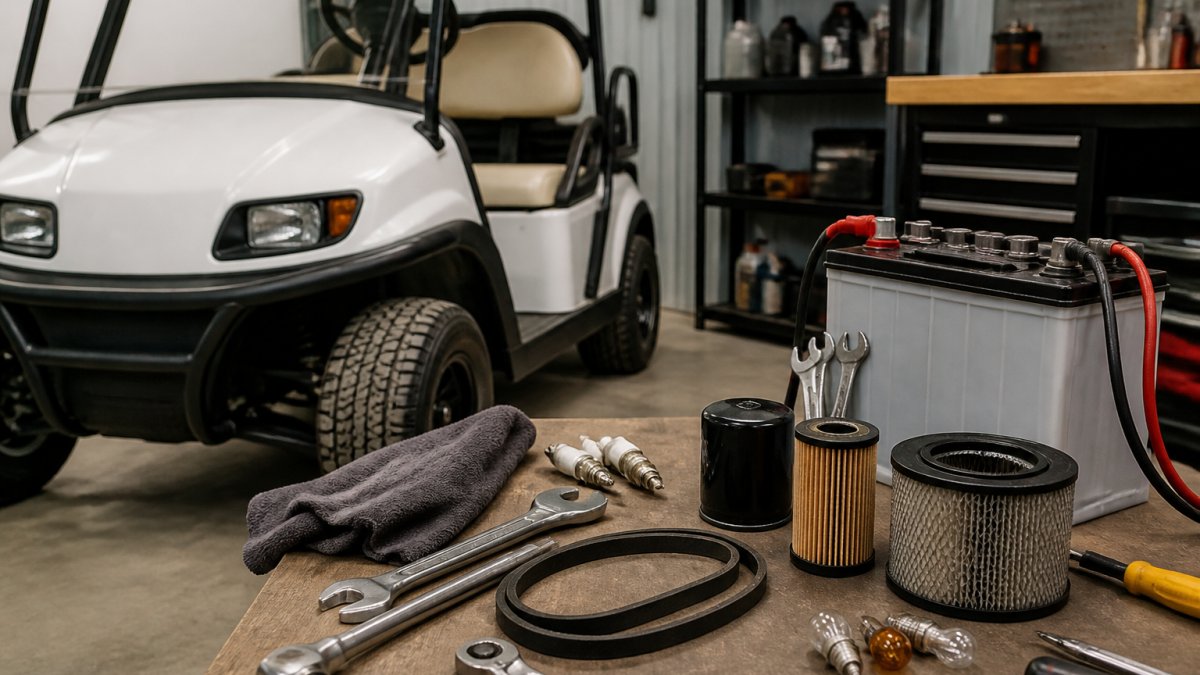
- Wear items: tires, brake pads, belts, filters, and bulbs are usually excluded because their life depends on use. Some warranties cover them for a short initial period only.
- Misuse and overloading: hauling beyond the rated capacity, towing, or repeated heavy loads can be traced through damage patterns and is a frequent denial cause.
- Accidents, flooding, and improper storage: impact damage, water intrusion, and freeze damage are typically excluded and may be covered by insurance instead.
- Unauthorized modifications: lifts, controllers, motors, and wiring changes are the most common modification disputes. A lift alone may not void the whole warranty, but a failure the manufacturer can link to the lift is likely to be denied.
- Commercial or rental use: frequently excluded or moved to a shorter term. Tell the dealer if the cart will haul tools, run shuttle duty, or be rented.
- Neglected maintenance: missed scheduled service and missing records are used to deny claims where the failure could have been prevented.
What Voids Your Warranty: A Checklist
- Skipping scheduled maintenance or failing to keep records
- Installing unauthorized modifications, lifts, or controllers
- Using a non-approved charger or wrong voltage
- Continuing to drive after a warning or obvious failure
- Commercial or rental use the warranty excludes
- Damage from accidents, flooding, or improper storage
How to Protect a Claim After a Modification
If you plan to modify the cart, ask the dealer in writing which changes affect which components before the work is done.
Watch out: letting an unauthorized shop perform a repair before the manufacturer authorizes it can turn a covered failure into a denied claim, so call the dealer first. Our guide on whether golf cart insurance covers repairs explains where the two overlap.
Standard vs. Extended Coverage: What the Upgrade Actually Buys
An extended warranty is a service contract that stretches protection past the manufacturer term, and whether it pays off depends on what it covers and what it costs (Extended Warranties and Service Contracts).
| Feature | Standard Manufacturer Warranty | Extended Coverage |
|---|---|---|
| Term | Fixed by manufacturer | Adds years beyond standard |
| Components | Defined in original terms | Varies by contract, read carefully |
| Labor | Often included, sometimes not | Confirm before signing |
| Transferability | Usually tied to original purchaser | Depends on contract |
| Best for | Every new cart buyer | High-use owners keeping the cart long term |
If you are still weighing new against used, our new vs. used golf cart value comparison puts the numbers side by side, since a used cart's remaining coverage changes the math.
EZGO Warranty Registration and Claim Steps for Any Brand
Registration is the step buyers forget, and it can decide whether a claim goes through. EZGO warranty registration typically requires the serial number, date of purchase, and dealer information, submitted through the manufacturer's process.

When something fails, follow this sequence:
- Stop using the cart and note the symptoms and date.
- Call your dealer with the serial number and purchase date.
- Get repair authorization before any work begins.
- Keep the repair order and replaced parts documentation.
- Follow up in writing if a claim is denied, citing the warranty clause.
A common mistake is letting an unauthorized shop start the repair first. If you are registering a cart you just bought, our step-by-step golf cart registration guide walks through the paperwork. And if you are still choosing a model, our roundup of the best golf carts for buyers covers how coverage varies across top brands.
Bring Your Warranty Questions to Amplify Your Ride
Warranty terms reward the buyer who reads them before signing, not after a breakdown. Bring the model you are considering and we will walk the coverage documents with you line by line, from the frame term to the battery fine print.
The gap between a warranty that pays and one that denies is usually paperwork, not luck. Get the terms explained before you buy, keep your records current, and let a dealer who knows these brands handle the claim.
Frequently Asked Questions
What does a new golf cart warranty typically cover?
A new golf cart warranty usually covers defects in materials and workmanship under normal use. That includes the frame, motor, controller, electrical system, and other components, with parts and labor handled per the manufacturer's terms. Wear items like tires, brake pads, belts, and batteries are often covered for shorter periods or excluded. Coverage length varies by brand and component, so confirm the specific terms in writing before you buy.
How long does a golf cart warranty last?
Golf cart warranty length depends on the brand and the component. Frames often carry multi-year coverage, while motors, controllers, and electrical parts usually have shorter terms. Batteries are typically covered for a limited period that may be prorated. Ask the dealer for the written warranty document for your specific model so you know each component's coverage period and what triggers a claim denial.
Are golf cart batteries covered under warranty?
Yes, but battery coverage is narrower than most buyers expect. A golf cart battery warranty usually covers manufacturing defects and may include a capacity guarantee, often prorated after the first year. Normal capacity loss from age and use is not a defect. Lead-acid and lithium battery systems have different terms, so check the battery section of your warranty and keep records of scheduled maintenance and charging habits.
What can void a golf cart warranty?
Common warranty exclusions include misuse, unauthorized modifications, commercial use when the warranty is for personal use, failure to follow scheduled maintenance, and damage from accidents or improper charging. Missing proof of purchase or an unregistered cart can also complicate a claim. Keep receipts, register your cart, and use authorized service to protect coverage. Review the exclusions section before you sign.
How do you file a golf cart warranty claim?
Start by contacting your dealer or the manufacturer's authorized service center with your proof of purchase, date of delivery, and a description of the defect. The service provider inspects the cart, gets repair authorization, and documents the issue. Repairs must usually be done by an authorized provider to be covered. Keep copies of every document, and ask for the claim number and expected timeline in writing.
Is an extended warranty for a golf cart worth it?
It depends on how you use the cart and how long you plan to keep it. Extended coverage can make sense for high-use carts, commercial use, or owners who want predictable repair costs after the manufacturer warranty ends. Compare the extension's exclusions, deductible, and claim process against the standard warranty. Ask what it does not cover before you pay for it.